How to Get a Mortgage with Bad Credit: A Complete Guide for 2026
Introduction
Buying a home is one of the biggest financial decisions a person can make, yet for individuals with bad credit, the process can feel discouraging and complicated. Many people assume that a low credit score automatically eliminates their chances of getting approved for a mortgage, but that assumption is not entirely accurate. In reality, lenders today take a broader view of a borrower’s financial profile, and there are multiple pathways available even for those with imperfect credit histories.
In 2026, the mortgage industry has evolved to become more inclusive. Financial institutions now recognise that credit scores do not always tell the full story of a person’s financial responsibility. Factors such as income stability, employment history, savings, and overall debt management are also carefully considered. This shift has opened doors for many aspiring homeowners who were previously excluded from the market.
Understanding how to navigate this process is essential. While securing a mortgage with bad credit may require more effort and planning, it is entirely achievable with the right strategy. This guide will walk you through everything you need to know, from how lenders evaluate your application to the steps you can take to improve your chances of approval.
Understanding How Credit Impacts Mortgage Approval
Credit scores remain an important factor in mortgage approval because they provide lenders with a snapshot of your financial behaviour. A low credit score often signals past difficulties with managing debt, late payments, or high credit utilisation. For lenders, this represents a higher level of risk, which is why borrowers with lower scores may face stricter requirements.
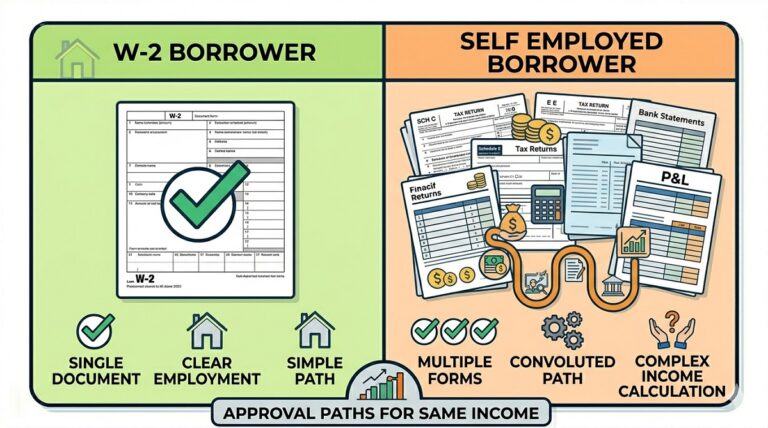
However, it is important to understand that credit scores are not the only factor lenders consider. In today’s lending environment, many institutions evaluate what is known as a “full financial picture”. This includes your income level, job stability, savings, and your ability to handle monthly payments consistently. Someone with a lower credit score but a stable income and low debt may still be considered a strong candidate.
Another important aspect is the type of credit issues in your history. Occasional missed payments may be viewed differently than more serious issues such as defaults or bankruptcies. Lenders often look at how recent these issues are and whether you have taken steps to improve your financial behaviour since then. Demonstrating positive changes over time can significantly strengthen your application.
Ultimately, understanding how lenders interpret your credit profile allows you to prepare more effectively. Instead of focusing solely on your score, you can work on presenting a balanced and responsible financial picture.
Exploring Mortgage Options for Borrowers with Bad Credit

Despite common misconceptions, there are several mortgage options specifically designed for borrowers with less-than-perfect credit. These programmes aim to make homeownership accessible by offering more flexible qualification criteria.
One of the most widely used options is loans backed by the Federal Housing Administration. These loans are particularly popular because they allow borrowers with lower credit scores to qualify with relatively small down payments. The government backing reduces the risk for lenders, making them more willing to approve applications that might otherwise be rejected.
In addition to government-backed programmes, there are also lenders that specialise in working with individuals who have poor credit histories. These lenders may offer subprime mortgages, which are designed for higher-risk borrowers. While these loans can provide access to homeownership, they often come with higher interest rates and stricter terms. This means it is essential to carefully evaluate whether the loan is affordable in the long run.
Another option that has gained popularity in recent years is alternative lending. Some lenders now consider non-traditional credit data, such as rent payments, utility bills, and other recurring expenses, to assess a borrower’s reliability. This approach can be especially helpful for individuals who may not have a strong traditional credit history but demonstrate consistent financial responsibility in other areas.
Choosing the right mortgage option requires careful research and comparison. Each loan type has its advantages and limitations, and selecting the best one depends on your specific financial situation and long-term goals.
Improving Your Chances of Getting Approved
Even if your credit score is currently low, there are several steps you can take to improve your chances of securing a mortgage. Lenders are more likely to approve applicants who demonstrate financial stability and a commitment to responsible money management.
One of the most effective ways to strengthen your application is by reducing your existing debt. A lower debt-to-income ratio shows lenders that you have enough income available to handle mortgage payments comfortably. Paying down credit card balances and avoiding new debt can make a noticeable difference.
Consistency in payments is another critical factor. Making all your payments on time, even for a few months before applying, can help rebuild trust with lenders. This shows that you are capable of managing your financial obligations responsibly.
Saving for a larger down payment can also improve your position. A higher upfront contribution reduces the lender’s risk and may lead to better loan terms. It also demonstrates financial discipline, which can positively influence the approval decision.
Additionally, reviewing your credit report for errors is a step that is often overlooked. Mistakes in credit reports are more common than many people realize, and correcting them can lead to an immediate improvement in your score. Taking the time to ensure that your credit report is accurate can provide a valuable advantage.
Choosing the Right Lender and Navigating the Process
Selecting the right lender is a crucial step in the mortgage process, especially for borrowers with bad credit. Different lenders have different requirements, and some are more flexible than others when it comes to evaluating credit history.
Online platforms such as Rocket Mortgage and LendingTree have made it easier than ever to compare multiple offers. These platforms allow you to explore different loan options, interest rates, and eligibility requirements, helping you find a lender that aligns with your financial situation.
Working with a mortgage broker can also be beneficial. Brokers have access to a wide network of lenders and can help match you with those who are more likely to approve your application. They can also guide you through the process, explain complex terms, and help you prepare the necessary documentation.
The application process itself requires careful attention to detail. Providing accurate information, submitting all required documents, and being transparent about your financial history can improve your chances of approval. Lenders value honesty and clarity, and being upfront about your situation can help build trust.
Patience is also important. The process may take longer compared to traditional applications, but taking the time to find the right lender and loan can lead to better outcomes in the long run.
Understanding the Costs, Risks, and Long-Term Strategy
While it is possible to secure a mortgage with bad credit, it is important to fully understand the financial implications. Borrowers with lower credit scores often face higher interest rates, which can significantly increase the overall cost of the loan. Over time, this can result in paying thousands more compared to borrowers with higher credit scores.
In addition to higher interest rates, there may be other costs involved. Some lenders require mortgage insurance, especially for loans with low down payments. This adds to the monthly expense and should be factored into your budget. There may also be additional fees or stricter conditions attached to the loan.
Understanding these costs allows you to plan more effectively and avoid financial strain. It is essential to calculate your monthly payments carefully and ensure that they fit comfortably within your budget. Taking on a mortgage that is too expensive can lead to long-term financial difficulties.
A smart strategy for many borrowers is to view their first mortgage as a stepping stone. After securing a loan and making consistent payments, you can work on improving your credit score. Once your financial profile improves, refinancing your mortgage at a lower interest rate becomes a viable option. This can significantly reduce your monthly payments and overall loan cost.
Approaching the process with a long-term perspective helps you make more informed decisions. Instead of focusing only on getting approved, it is equally important to ensure that the mortgage supports your financial stability and future goals.
FAQs
Can I get a mortgage if my credit score is very low?
Yes, it is possible, especially through government-backed loans or lenders that specialize in bad credit borrowers, although terms may be stricter.
What is considered bad credit for a mortgage?
Generally, a credit score below 620 is considered low, but some programs accept scores as low as 580 or even lower.
Do I need a large down payment with bad credit?
Not always, but a larger down payment can improve your chances of approval and may help you secure better terms.
Are interest rates always higher for bad credit borrowers?
Yes, in most cases, lenders charge higher interest rates to offset the increased risk associated with lower credit scores.
Can I refinance later if my credit improves?
Yes, refinancing is a common strategy to secure better interest rates after improving your credit profile.
Is it better to wait and improve my credit first?
It depends on your situation. If you can significantly improve your credit in a short time, waiting may help you get better terms.
Conclusion
Getting a mortgage with bad credit in 2026 may seem challenging, but it is far from impossible. The modern lending environment offers multiple opportunities for borrowers who are willing to prepare, research, and take proactive steps toward improving their financial profile.
By understanding how lenders evaluate applications, exploring the right loan options, and working with supportive lenders, you can increase your chances of success. While the process may require patience and careful planning, the reward of homeownership makes it worthwhile.
The key is to approach the journey with awareness and responsibility. Even with imperfect credit, a well-informed strategy can open the door to owning a home and building a more secure financial future.