Mortgage with a 580 Credit Score: A Realistic Path to Homeownership
Understanding What a 580 Credit Score Means
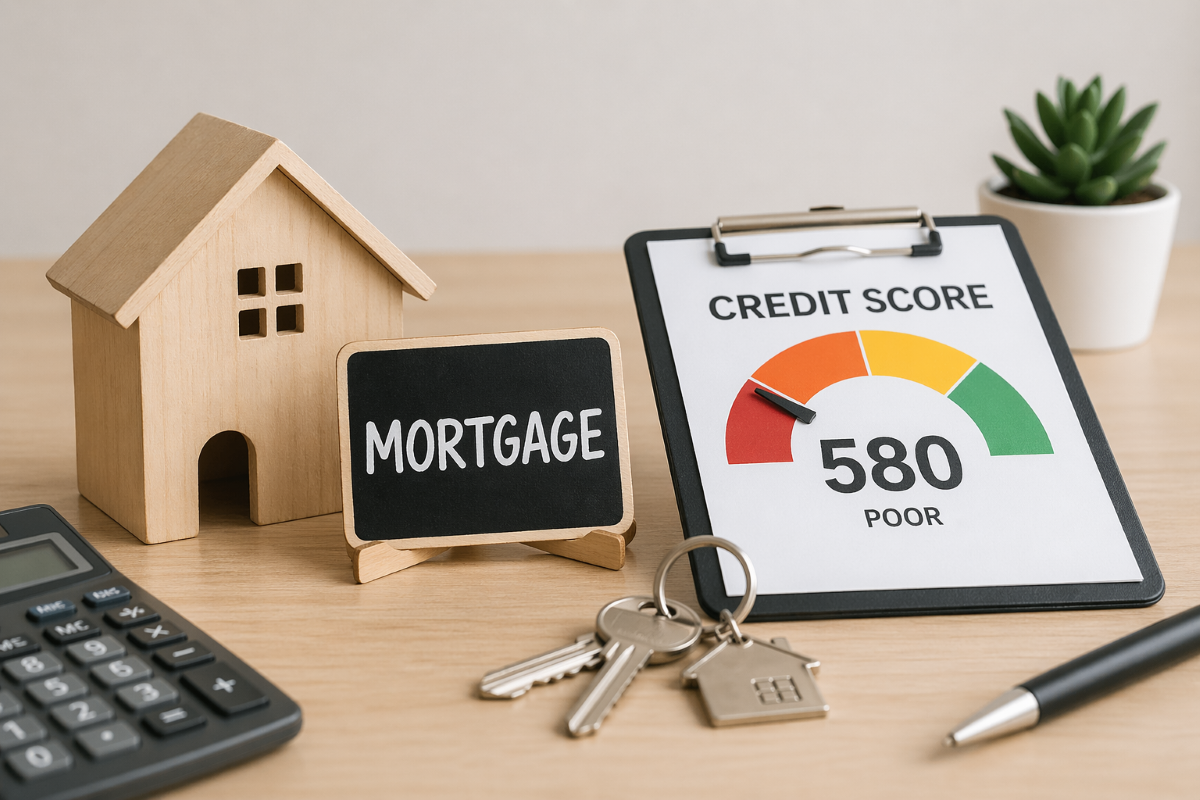
A credit score of 580 is generally considered to be on the lower side of the credit spectrum, but it does not mean that homeownership is out of reach. Many people assume that lenders only approve borrowers with high scores, yet the reality is more flexible. A 580 score signals to lenders that there may have been financial difficulties in the past, but it does not define your entire financial identity. What truly matters is how you are managing your finances in the present.
Lenders today take a broader view when evaluating applications. They look beyond the number and try to understand your financial behaviour, your income stability, and your ability to repay the loan. This means that even with a 580 score, you still have a chance if other aspects of your financial profile are strong and consistent.
How Lenders View Low Credit Borrowers
When lenders review an application with a 580 credit score, they usually categorise the borrower as higher risk. This does not automatically lead to rejection, but it does influence the terms they are willing to offer. The lender’s main concern is whether you will be able to make payments consistently over time.
Because of this, they often focus more closely on your recent financial activity. If you have been paying your bills on time and maintaining stable income, it creates a sense of trust. Lenders are essentially looking for signs that you have moved past earlier financial struggles and are now in a more responsible position.
Mortgage Options Available with a 580 Credit Score
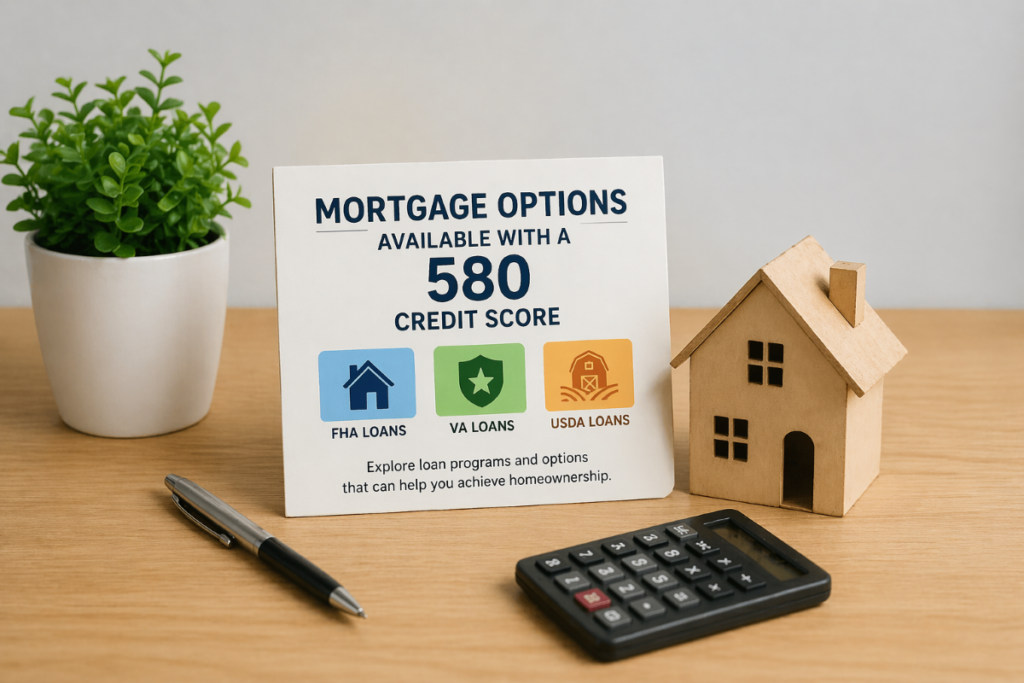
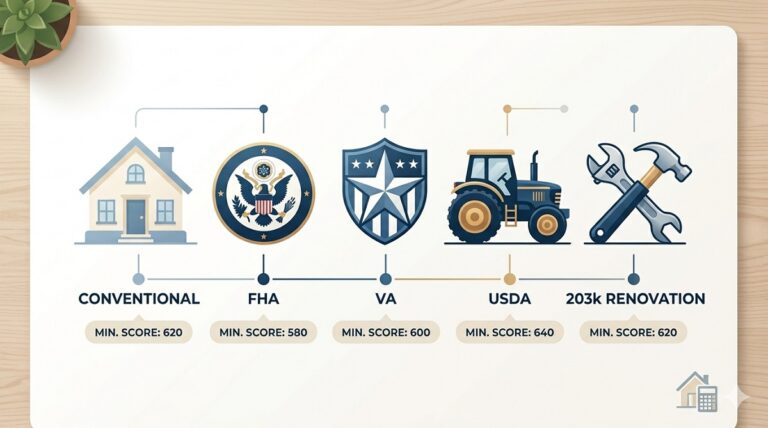
For borrowers with lower credit scores, certain mortgage programmes are specifically designed to make homeownership accessible. Government-backed loans play a major role in this space. These programmes reduce the risk for lenders, allowing them to approve applicants who might not qualify under stricter conventional standards.
These types of loans often come with more flexible requirements and lower barriers to entry. They are especially helpful for first-time homebuyers or those rebuilding their credit. While private lenders may still have stricter conditions, these programmes provide an important pathway for individuals who are determined to buy a home despite having a lower score.
The Reality of Interest Rates and Loan Costs
One of the most important things to understand when applying for a mortgage with a 580 credit score is the cost of borrowing. Interest rates tend to be higher for borrowers with lower scores because lenders are taking on more risk. This increase in interest rate directly affects your monthly payment and the total amount you will pay over the life of the loan.
Even though the difference in rates might seem small at first, it can add up significantly over time. This is why it is important to think long-term and understand the full financial impact before making a decision. A mortgage is a long-term commitment, and even slight changes in terms can influence your financial future.
The Role of Income and Financial Stability
While your credit score is important, your income and overall financial stability are equally critical. Lenders want to see that you have a steady source of income that can support your monthly mortgage payments. Stability in employment or business income creates confidence and shows that you are capable of handling long-term financial responsibilities.
In many cases, a strong and stable income can help balance out a lower credit score. If lenders see that you have consistent earnings and manageable expenses, they may be more willing to approve your application despite the risks associated with your credit history.
The Importance of Recent Financial Behavior
Your recent financial activity carries a lot of weight in the mortgage approval process. Even if your credit score is currently 580, showing a pattern of responsible behaviour can make a positive impression. Paying bills on time, avoiding new debt, and maintaining financial discipline all contribute to building trust with lenders.
This is why many experts recommend focusing on improving your habits in the months leading up to a mortgage application. Small, consistent actions can gradually strengthen your financial profile and increase your chances of approval.
Deciding Whether to Buy Now or Wait
One of the biggest questions borrowers face is whether to buy a home immediately or wait until their credit score improves. The answer depends on your personal situation and financial goals. If your current living conditions require stability and you have the income to support a mortgage, buying now can be a reasonable decision.
On the other hand, if you have the flexibility to wait, improving your credit score even slightly can open the door to better loan terms and lower interest rates. This decision requires careful consideration of both your present needs and your long-term financial plans.
The Strategy of Refinancing Later
Many borrowers with a 580 credit score choose to view their initial mortgage as a starting point rather than a final destination. After purchasing a home, they focus on improving their credit over time. As their score increases and their financial situation strengthens, they explore refinancing options.
Refinancing allows borrowers to replace their existing mortgage with a new one that has better terms. This can result in lower interest rates and reduced monthly payments. It is a strategy that can significantly improve financial comfort over the long term.
Building Confidence as a Homebuyer
Entering the housing market with a lower credit score can feel intimidating, but it is important to approach the process with confidence and realistic expectations. Understanding your financial situation, being aware of your options, and making informed decisions are key to success.
Homeownership is not only about meeting lender requirements; it is also about preparing yourself for long-term responsibility. When you take the time to understand the process and align your financial habits with your goals, you create a strong foundation for a successful homeownership journey.
Final Thoughts on Buying with a 580 Credit Score
A mortgage with a 580 credit score is not only possible but also increasingly common in today’s lending environment. While there are challenges involved, they can be managed with the right approach and mindset. The key is to focus on your overall financial health rather than just your credit score.
By maintaining a stable income, practising responsible financial behaviour, and understanding the terms of your loan, you can move forward with confidence. Whether you decide to buy now or wait until your score improves, the path to homeownership remains open. With patience, planning, and discipline, even a 580 credit score can be the starting point of a successful and rewarding journey into owning your own home.