VA Loan Requirements 2026: Complete Guide for Homebuyers
Understanding VA Loans in 2026
A VA loan is one of the most valuable benefits available to eligible military service members, veterans, and certain surviving spouses. Backed by the U.S. Department of Veterans Affairs, these loans are designed to make homeownership more accessible by reducing the financial barriers that many buyers face.
In 2026, VA loans continue to stand out because they offer flexible qualification standards, no down payment in most cases, and competitive interest rates. Unlike conventional loans, VA loans are not issued directly by the government but are guaranteed by it, which reduces risk for lenders and makes approval easier for qualified applicants.
Who Is Eligible for a VA Loan
Eligibility for a VA loan is based primarily on military service. Active-duty service members, veterans, National Guard members, and reservists may qualify if they meet the minimum service requirements. In some cases, surviving spouses of deceased service members are also eligible.
To prove eligibility, borrowers must obtain a Certificate of Eligibility, commonly known as a COE. This document confirms to lenders that the applicant meets the service requirements set by the Department of Veterans Affairs.
Eligibility is not only about service history. Lenders will still review financial factors such as income, credit behaviour, and debt obligations to ensure the borrower can handle the loan responsibly.
Minimum Credit Score Expectations
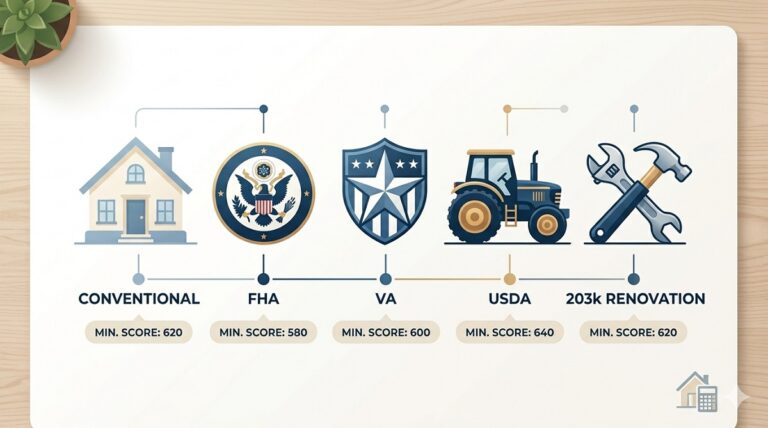
The VA itself does not set a strict minimum credit score requirement. However, most lenders in 2026 prefer borrowers to have a credit score of at least 580 to 620. Some lenders may approve applicants with lower scores, but the terms may be less favourable.
Credit score is used to evaluate how reliably a borrower has handled past financial obligations. Even if your score is not perfect, consistent recent behaviour, such as on-time payments and reduced debt, can improve your chances of approval.
Income and Employment Requirements
Stable income is one of the most important factors in securing a VA loan. Lenders want to see that borrowers have a reliable source of earnings that can support monthly mortgage payments.
In general, applicants are expected to show a steady employment history, often covering at least two years. This does not mean you must stay in the same job, but consistency in income is important. Self-employed borrowers may also qualify, though they may need to provide additional documentation.
The goal is to demonstrate financial stability rather than perfection. Lenders are more interested in whether your current situation supports long-term repayment.
Debt-to-Income Ratio and Residual Income
The debt-to-income ratio, often referred to as DTI, measures how much of your monthly income goes toward debt payments. While the VA does not enforce a strict limit, most lenders prefer a DTI ratio below 41 per cent.
In addition to DTI, VA loans use a unique concept called residual income. This refers to the amount of money left over after paying major expenses such as housing, debts, and taxes. Residual income ensures that borrowers have enough funds for daily living expenses.
This approach makes VA loans more flexible than conventional loans because it looks at real financial capacity rather than relying only on percentages.
No Down Payment Advantage
One of the biggest benefits of a VA loan is the ability to purchase a home without making a down payment. This feature remains a key advantage in 2026, especially for first-time buyers who may struggle to save large amounts of money.
By eliminating the need for a down payment, VA loans make it easier for borrowers to enter the housing market sooner. However, buyers still need to budget for closing costs and other expenses associated with homeownership.
VA Funding Fee Explained
Although VA loans do not require private mortgage insurance, they do include a funding fee. This fee helps sustain the programme and is typically a percentage of the loan amount.
The funding fee varies based on factors such as whether it is your first VA loan and whether you are making a down payment. Some borrowers, including those with service-related disabilities, may be exempt from this fee.
In most cases, the funding fee can be rolled into the loan amount, reducing the need for upfront cash.
Property Requirements and Appraisal
VA loans are intended for primary residences, which means the property must be occupied by the borrower. Investment properties and vacation homes are generally not eligible under this programme.
The property must also meet certain standards known as minimum property requirements. These guidelines ensure that the home is safe, structurally sound, and suitable for living.
A VA appraisal is required to determine the value of the property and confirm that it meets these standards. This step protects both the borrower and the lender from overpaying or investing in unsafe housing.
Loan Limits in 2026
In recent years, VA loan limits have become less restrictive for borrowers with full entitlement. In 2026, qualified borrowers can often purchase homes above traditional loan limits without needing a down payment, depending on their entitlement status.
For those with partial entitlement, limits may still apply. These limits vary by location and are influenced by local housing market conditions.
Understanding your entitlement and how it affects your borrowing power is essential before starting the homebuying process.
Occupancy Requirements
VA loans are designed for primary residences, so borrowers are generally required to move into the home within a reasonable period after closing. This ensures that the program is used for its intended purpose of supporting homeownership rather than investment.
There are some exceptions for active-duty service members who may be deployed or unable to occupy the home immediately. In such cases, a spouse may fulfil the occupancy requirement.
Closing Costs and Additional Expenses
While VA loans reduce many upfront costs, borrowers should still be prepared for closing expenses. These may include appraisal fees, title insurance, and other administrative costs.
The VA places limits on certain fees that lenders can charge, helping to protect borrowers from excessive costs. In some cases, sellers may agree to cover a portion of the closing costs, further reducing the financial burden on the buyer.
Planning for these expenses in advance can make the homebuying process smoother and less stressful.
Advantages of VA Loans in 2026
VA loans continue to offer significant advantages compared to other types of mortgages. The absence of a down payment requirement, competitive interest rates, and flexible credit guidelines make them highly attractive.
Additionally, the lack of private mortgage insurance reduces monthly payments, making homeownership more affordable over time. These benefits combine to create a powerful opportunity for eligible borrowers.
Challenges to Consider
Despite their benefits, VA loans are not without challenges. The funding fee can add to the overall cost of the loan, and the property requirements may limit the types of homes available.
In competitive housing markets, some sellers may prefer offers backed by conventional loans due to misconceptions about VA appraisals. However, awareness of VA loan benefits is improving, and many sellers are becoming more open to these offers.
Understanding these challenges allows borrowers to prepare effectively and navigate the process with confidence.
Tips for Getting Approved
Preparation plays a key role in securing a VA loan. Maintaining a stable income, managing existing debt, and demonstrating responsible financial behaviour can strengthen your application.
It is also helpful to review your credit report before applying to identify and correct any errors. Working with a lender experienced in VA loans can make the process smoother and increase your chances of success.
Being informed and proactive can make a significant difference in the outcome of your application.
The Future of VA Loans
As the housing market evolves, VA loans continue to adapt while maintaining their core mission of supporting those who have served. In 2026, these loans remain one of the most accessible and valuable paths to homeownership.
With ongoing support from the U.S. Department of Veterans Affairs, the programme is expected to remain a strong option for eligible borrowers in the years ahead.
Final Thoughts
VA loan requirements in 2026 reflect a balance between accessibility and financial responsibility. While the programme offers significant advantages, borrowers must still demonstrate the ability to manage long-term mortgage obligations.
For those who qualify, a VA loan can be a powerful tool for achieving homeownership without the financial strain often associated with traditional loans. By understanding the requirements, preparing carefully, and making informed decisions, borrowers can take full advantage of this valuable benefit.