FHA Loan Down Payment Requirement: Full Details Explained 2026
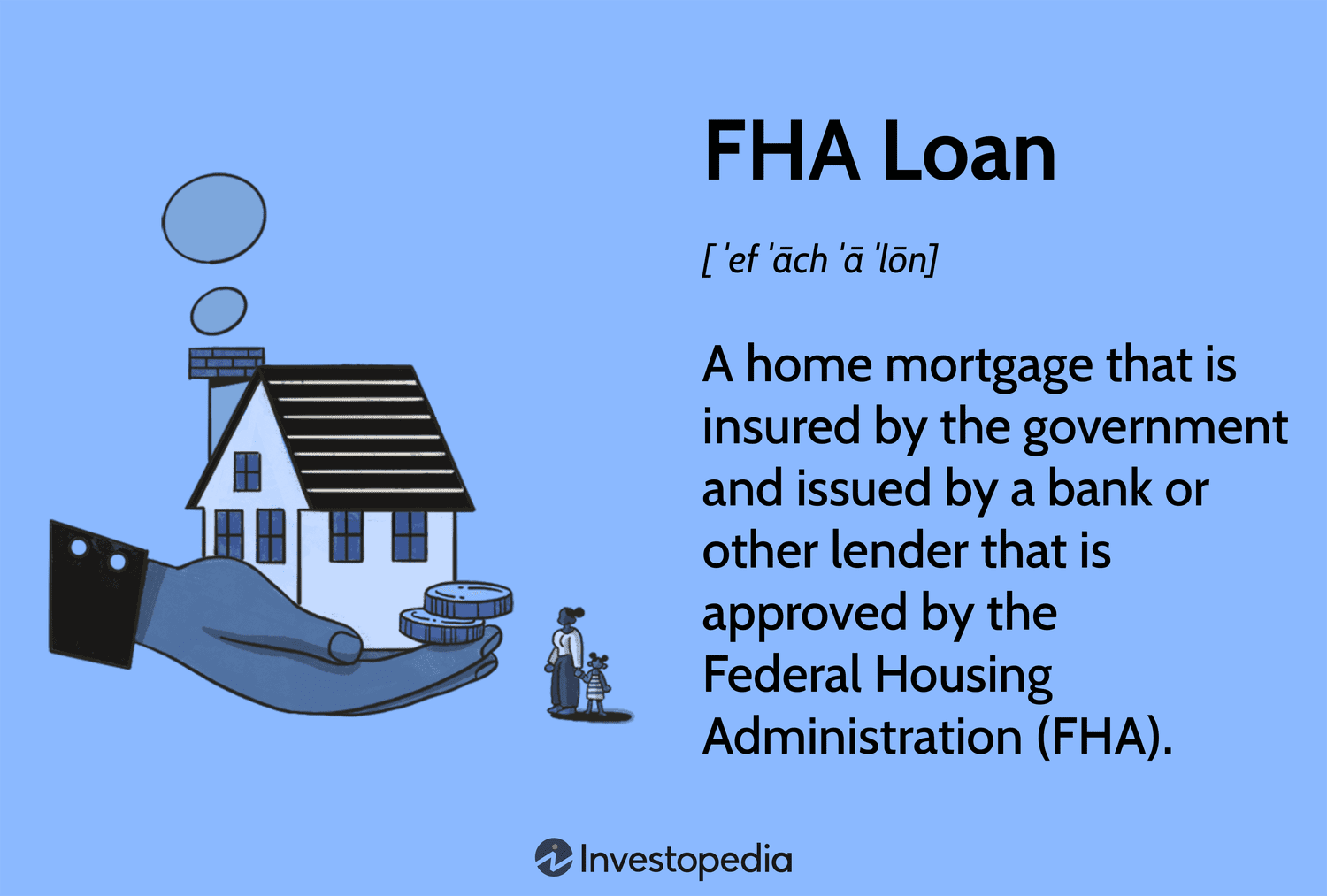
An FHA loan is a popular home financing option in the United States, especially for first-time homebuyers and people with lower savings or credit scores.
In 2026, the FHA loan down payment requirements remain one of its biggest advantages because they are much lower compared to conventional loans. This makes it easier for more people to afford buying a home without needing a large amount of money upfront.
Generally, borrowers can qualify for an FHA loan with a down payment as low as 3.5% if they have a decent credit score, while those with lower scores may need to pay around 10%. The down payment can also come from different sources such as personal savings, gifts from family, or approved assistance programs, which adds flexibility.
Understanding these requirements is important because the down payment directly affects your loan amount, monthly payments, and overall affordability. In this guide, we will clearly explain how FHA down payments work in 2026, who qualifies, and what you need to prepare before applying, so you can make a smart and confident home buying decision.
FHA Loan Property Requirements
FHA loan property requirements are designed to make sure the home you are buying is safe, livable, and a good investment. Since FHA loans are backed by the government, there are specific rules that every property must meet before the loan can be approved. These requirements protect both the buyer and the lender by ensuring the house is in decent condition and free from serious issues. For many first-time homebuyers, understanding these rules is very important because not every property qualifies for FHA financing. In simple words, the home must be structurally strong, safe to live in, and fairly priced. Knowing these rules early can save you time, money, and stress during the buying process.
Minimum Property Standards (MPS)
The FHA uses Minimum Property Standards to evaluate every home. These standards focus on safety, security, and soundness. Safety means the property should not have health risks like exposed wiring, mold, or broken structures. Security means the home must protect residents from outside elements such as rain, wind, and intruders. Soundness refers to the strength of the structure, including walls, roof, and foundation. If a property does not meet these basic standards, the lender may require repairs before approving the loan. These rules help ensure that buyers are investing in a home that is stable and long-lasting.
FHA Appraisal Requirements
An FHA appraisal is a necessary part of the loan process and is done by an FHA-approved appraiser. The purpose of this appraisal is to determine the market value of the property and check if it meets FHA guidelines. The appraiser examines the condition of the home and looks for any visible problems that could affect safety or value. If issues are found, they will be listed in the report, and repairs may be required before the loan can proceed. This step is important because it ensures that the buyer is not paying more than the property is actually worth.
Property Condition Requirements
The overall condition of the property plays a big role in FHA approval. The home must be in good living condition with all major systems working properly. The roof should be in solid condition and expected to last at least a couple of years. The foundation must be stable without major cracks or damage. Plumbing and electrical systems should be functional and safe to use. There must also be a reliable water supply and proper heating system. Homes that require major repairs or are not livable may not qualify unless those issues are fixed before closing.
Health and Safety Rules
Health and safety are top priorities in FHA property requirements. The property must not pose any danger to the people living in it. Issues like lead-based paint, especially in older homes, can be a serious concern. Mold, water damage, and poor ventilation can also lead to rejection. In addition, the property should be free from pest infestations such as termites. Safe access to the home is also important, meaning there should be no dangerous pathways or entry points. If any of these problems exist, they must be corrected before the loan is approved.
Eligible Property Types
FHA loans are not available for every type of property, but there are several eligible options. These include single-family homes, multi-family properties with up to four units, FHA-approved condominiums, and certain manufactured homes. However, the most important condition is that the property must be used as your primary residence. This means you cannot use an FHA loan to buy a vacation home or purely for investment purposes. The goal is to help individuals and families secure a place to live rather than build a property portfolio.
Occupancy Requirement
One of the key FHA rules is that the buyer must live in the home. The property must be your primary residence, and you are generally required to move in within 60 days after closing. Additionally, you are expected to live in the home for at least one year. This rule prevents people from using FHA loans for rental-only properties or quick resale profits. It ensures that the program supports genuine homeownership and provides housing opportunities to those who need it most.
Required Repairs Before Closing
If the FHA appraiser identifies any problems with the property, certain repairs may need to be completed before the loan is finalized. These repairs can include fixing broken windows, repairing roof leaks, updating unsafe electrical wiring, or resolving plumbing issues. In many cases, the seller agrees to handle these repairs, but sometimes buyers may need to negotiate or cover the costs themselves. Completing these repairs is necessary to meet FHA standards and move forward with the loan approval process.
FHA Appraisal vs Home Inspection
Many buyers confuse the FHA appraisal with a home inspection, but they are not the same. The FHA appraisal is required and focuses on the property’s value and basic condition according to FHA rules. A home inspection, on the other hand, is optional but highly recommended. It provides a more detailed analysis of the property, including hidden problems that the appraisal might not catch. Getting a home inspection can help buyers avoid unexpected repair costs in the future and make a more informed decision.
FHA Loan Refinance Requirements
FHA loan refinancing is a helpful option for homeowners who want to lower their monthly payments, reduce their interest rate, or switch to better loan terms. In 2026, FHA refinance requirements are designed to make the process simple and accessible, especially for those who may not qualify for conventional refinancing.
The most common option is the FHA Streamline Refinance, which allows borrowers to refinance with less paperwork and no full home appraisal in many cases.
To qualify for an FHA refinance, you must already have an existing FHA loan. One of the key requirements is that the refinance must provide a “net tangible benefit,” meaning it should clearly improve your financial situation, such as lowering your interest rate or monthly payment. Lenders also check your payment history, and typically you must have made at least the last 6 months of payments on time.
Credit score requirements for FHA refinancing are generally flexible, but most lenders prefer a score of 580 or higher. You may also need to show proof of income and employment, although this is sometimes not required for streamline refinancing. Another important rule is that a certain waiting period must pass before refinancing, usually at least 210 days from your original loan closing date.
Overall, FHA refinance requirements are more lenient compared to other loan types, making it a great option for homeowners looking to improve their mortgage terms with less hassle.
FHA Home Loan Requirements FAQs
Here are a few common FHA loan questions buyers are asking.
How Can You Qualify for an FHA Loan?
Qualifying for an FHA loan usually comes down to meeting a few key financial guidelines and buying a home that fits FHA standards. If you’re not sure where you stand, we at Freedom Mortgage can review your details and confirm what you may qualify for.
Is It Hard to Get a House with an FHA Loan?
For many borrowers, getting a house with an FHA loan is fairly straightforward, especially with the benefit of a smaller down payment. If you’re in reasonably good financial standing, the main challenge is that the property must meet FHA standards, so some homes may require repairs before closing.
How Do You Apply for an FHA Loan?
With an FHA-approved lender like Freedom Mortgage, applying for an FHA loan is simple. You should start by checking your credit score, income, and DTI, and gathering the appropriate documents, such as W-2s, pay stubs, and bank statements. From there, you can get prequalified, find a home that meets FHA property requirements, and submit your application.
Conclusion
FHA loan requirements play a major role in making homeownership possible for people who might otherwise struggle to buy a home. Compared to conventional loans, FHA loans are known for their flexibility, lower down payment options, and easier credit requirements. This is especially helpful for first-time buyers, young families, and individuals who are still building their financial profile. Instead of needing perfect credit or a large amount of savings, borrowers can qualify with more realistic conditions, which opens the door to homeownership for a wider group of people.
One of the biggest advantages of FHA loans is the low down payment requirement. Many borrowers can qualify with as little as 3.5% down, which is significantly lower than traditional loan options. This reduces the financial burden at the start and allows buyers to enter the housing market sooner. In addition, FHA loans accept different sources of funds for the down payment, including personal savings, gifts from family, and approved assistance programs. This flexibility makes it easier for buyers to manage upfront costs without putting too much pressure on their finances.
Another important benefit is the flexible credit score requirement. While conventional loans often require higher credit scores, FHA loans are more forgiving. Even borrowers with lower credit scores can still qualify, as long as they meet other basic conditions. This gives people a second chance, especially those who may have faced financial difficulties in the past. It also encourages responsible financial behavior, as improving your credit can further increase your chances of approval and better loan terms.
FHA loan requirements also focus on property standards, which ensures that buyers are investing in safe and livable homes. While these property requirements may seem strict, they actually protect buyers from purchasing homes with serious issues.
The appraisal process ensures the home is fairly priced and meets basic safety standards. This reduces the risk of unexpected repair costs and helps buyers feel more confident in their investment.
In addition, FHA loans offer refinancing options that help homeowners improve their financial situation over time. With options like streamline refinancing, borrowers can reduce their interest rates or monthly payments without going through a complicated process. This makes FHA loans not just helpful at the time of purchase, but also beneficial in the long run.
Overall, FHA loan requirements are designed to balance accessibility with protection. They make it easier for people to qualify while also ensuring that both the borrower and the lender are secure. By lowering the barriers to entry and offering flexible terms, FHA loans continue to support millions of people in achieving their dream of owning a home. For anyone looking to step into the housing market with fewer obstacles, FHA loans remain one of the most practical and reliable options available in 2026.