Best Mortgage Lenders in Jacksonville Florida (2026): Top Picks & Reviews
Buying a home in Jacksonville, Florida, offers a unique blend of coastal living, urban amenities, and growing opportunities. As one of Florida’s largest cities, Jacksonville’s housing market can be dynamic, making the process of securing a mortgage both exciting and complex. Finding the right mortgage lender isn’t just about getting the lowest interest rate; it’s about partnering with an institution that understands your unique financial situation and the local market nuances.
This guide from mortgagetune.com provides an in-depth look at what to expect from the Jacksonville mortgage scene in 2026, including loan limits, local programs, and how to identify lenders best suited for different buyer profiles. We’ll help you navigate the process, compare your options, and avoid common pitfalls, ensuring you’re well-prepared for homeownership in Duval County.

The Jacksonville Mortgage Market at a Glance (2026)
Jacksonville continues to be an attractive destination for homebuyers, driven by its relatively affordable housing compared to other major Florida cities, a strong job market, and a high quality of life. The 2026 housing market in Jacksonville is anticipated to remain competitive, albeit with potential shifts in inventory and buyer demand influenced by national economic trends. Property values in the metropolitan area, including popular neighborhoods like Riverside, Avondale, and Nocatee, have seen consistent appreciation, reflecting sustained interest from both local residents and those relocating to the Sunshine State.
Interest rates are expected to fluctuate throughout 2026, influenced by inflation, Federal Reserve policy, and global economic stability. While no one can predict exact rates, staying informed about economic indicators is crucial for prospective homebuyers. It’s always wise to use a rate comparison tool to see what’s available from various lenders at any given time. Average home prices in Jacksonville could range from $350,000 to $450,000 in 2026 for a single-family home, with significant variations depending on location, size, and amenities.
Understanding 2026 Conforming & Government Loan Limits in Duval County
Loan limits dictate the maximum amount you can borrow for a mortgage without it being classified as a jumbo loan. These limits are set annually by government-backed entities and can vary by county. For 2026, while official figures are still to be released by the Federal Housing Finance Agency (FHFA), we can project based on recent trends and economic forecasts.
Conventional Loan Limits in Duval County (2026 Estimate)
Conventional loans, backed by Fannie Mae and Freddie Mac, are a popular choice for borrowers with strong credit. For a single-family home in Duval County (where Jacksonville is located), the conforming loan limit for 2026 is projected to be in the range of $790,000 to $825,000. This limit is a significant factor for many buyers, as loans exceeding this amount fall into the jumbo loan category, which often comes with stricter qualification requirements and higher interest rates. Borrowers generally need a credit score of at least 620 and a debt-to-income ratio (DTI) (the percentage of your gross monthly income that goes towards debt payments) typically below 43-50% for these loans.
FHA Loan Limits in Duval County (2026 Estimate)
Federal Housing Administration (FHA) loans are government-insured mortgages designed to make homeownership more accessible, especially for first-time buyers and those with lower credit scores. For Duval County, the FHA loan limit for a single-family home in 2026 is estimated to be around $480,000 to $500,000. FHA loans typically require a minimum credit score of 580 with a 3.5% down payment, or as low as 500 with a 10% down payment. Your loan eligibility checker can help you quickly determine if you meet these initial criteria.
VA Loan Guidelines for Veterans in Jacksonville (2026)
VA loans, guaranteed by the U.S. Department of Veterans Affairs, are an incredible benefit for eligible service members, veterans, and surviving spouses. For those with full VA loan entitlement, there are generally no loan limits, meaning you can finance 100% of the home’s value without a down payment, provided you qualify and the lender approves the amount. While the VA does not set a minimum credit score, most lenders offering VA loans prefer a score of 620 or higher. A VA funding fee is typically required, though it can be waived for veterans receiving VA disability compensation.
USDA Loan Considerations in Rural Jacksonville Areas (2026)
USDA Rural Development loans offer 100% financing for eligible low- to moderate-income borrowers in designated rural areas. While most of urban Jacksonville does not qualify for USDA loans, some outlying areas of Duval County or adjacent counties might. These loans come with income limits and property location restrictions. If you’re considering a home outside the immediate city core, check the USDA website for eligible areas. Most lenders require a minimum credit score of 640 for USDA loans.
Top Mortgage Lenders in Jacksonville for Every Buyer Type
Identifying the “best” lender depends entirely on your personal financial situation and homebuying goals. Different lenders excel in different areas, whether it’s competitive rates for perfect credit, flexible options for self-employed individuals, or specialized programs for veterans. Here, we categorize lender types based on what they typically offer and who they serve best in the Jacksonville market.
Best for First-Time Homebuyers
First-time homebuyers often benefit most from lenders who offer comprehensive educational resources, low down payment options, and expertise in state and local down payment assistance (DPA) programs.
- Local Credit Unions and Community Banks: These institutions often have a strong community focus, offering personalized service and potentially more flexible underwriting for local residents. They are frequently well-versed in Florida Housing Finance Corporation programs (like Hometown Heroes) and can guide you through the process, often offering competitive rates for FHA loans. Many emphasize building long-term relationships, which can be reassuring for those new to homeownership.
- National Mortgage Lenders with Local Branches: Large lenders such as Bank of America or Wells Fargo have a significant presence in Jacksonville. They offer a wide array of loan products, including conventional, FHA, and VA options, and can process a high volume of applications efficiently. Their extensive resources can be helpful for buyers who prefer a well-established name and potentially faster processing times, especially if they already bank with them.
Key considerations for first-time buyers: Look for lenders with transparent fee structures, responsive loan officers, and a clear explanation of all closing costs. Don’t hesitate to use a mortgage calculator to estimate your monthly payments.
Best for Veterans and Active Military
Veterans and active military personnel deserve lenders who deeply understand the nuances of VA loans, including eligibility requirements, funding fees, and disability-related exemptions.
- Specialized VA Lenders: Companies that focus heavily on VA loans, often run by veterans themselves, tend to have the most streamlined processes and knowledgeable staff for this loan type. They can expertly navigate certificate of eligibility requirements and ensure veterans maximize their benefits, such as 0% down payment and no mortgage insurance. Examples include lenders associated with military credit unions like Navy Federal Credit Union or USAA.
- Large National Banks: Many major banks also have dedicated VA loan departments with experienced loan officers. Their scale allows them to handle complex VA loan scenarios and offer competitive rates. When choosing, look for a lender with a demonstrated track record of closing VA loans quickly and efficiently.
Key considerations for veterans: Inquire about their experience with VA funding fees, especially for those with service-connected disabilities, and ask about specific closing cost assistance programs for veterans.
Best for Refinancing and Jumbo Loans
Borrowers looking to refinance their existing mortgage or secure financing for high-value properties (jumbo loans) often seek lenders with diverse product portfolios and competitive pricing.
- Large National Banks and Mortgage Banks: These lenders typically have the capital and product range to handle jumbo loans, which exceed conforming loan limits. They can offer a variety of refinancing options, including cash-out refinances or rate-and-term refinances, with competitive rates for borrowers with excellent credit. Their robust financial backing allows them to underwrite these larger loans efficiently.
- Online Mortgage Lenders: For refinancing, online lenders like Rocket Mortgage or Better.com can offer highly competitive rates and streamlined digital application processes. They are often attractive for borrowers who are comfortable with a less personalized, technology-driven experience and are primarily rate-shopping. Use a refinance calculator to see if refinancing makes financial sense for your situation.
Key considerations for refinancing/jumbo loans: Focus on lenders offering low interest rates and minimal closing costs for refinances. For jumbo loans, ask about specific credit score requirements (often 700+), larger down payment expectations (typically 10-20%), and reserves needed.
Best for Low-Credit or Challenged Credit Borrowers
For borrowers with credit scores below 620 or those who have experienced financial setbacks like bankruptcy, finding a flexible lender is paramount.
- FHA-Approved Lenders: Most lenders that offer FHA loans are equipped to work with borrowers who have lower credit scores (down to 580 or even 500 with a larger down payment). These lenders understand the FHA’s more lenient underwriting guidelines regarding credit history. Look for those advertising strong FHA programs.
- Local Community Banks or Portfolio Lenders: Some smaller, local banks or credit unions might offer “portfolio loans.” These are loans that the bank originates and keeps on its own books, rather than selling them to Fannie Mae or Freddie Mac. This allows them more flexibility in underwriting, potentially approving borrowers who fall slightly outside conventional guidelines. They may consider alternative credit data or a higher DTI (which you can check with our DTI calculator if other factors are strong.
- Specialized Private Lenders: While less common for primary mortgages, some [Private Lenders](/private-mortgage-lenders-a-smart-alternative-to-traditional-banks/) or mortgage brokers specializing in non-qualified mortgages (non-QM) might cater to unique credit situations. These loans often come with higher interest rates and fees but can be an option when traditional routes are closed.
Key considerations for challenged credit: Be prepared to explain your credit history. Focus on lenders who offer pre-approval with a thorough review of your finances, not just automated decisions. Understand that higher interest rates or additional fees might apply.
Best for Self-Employed Borrowers
Self-employed individuals often face unique challenges proving income, as traditional W-2 forms aren’t available. Lenders with experience in alternative income verification are crucial.
- Portfolio Lenders and Mortgage Brokers: These are often the best resources. Portfolio lenders (as mentioned above) have the flexibility to accept non-traditional documentation. Mortgage brokers, especially those with strong local networks, can connect you with multiple lenders, including those specializing in “bank statement loans” or other alternative income verification methods. These programs allow lenders to qualify income based on 12 or 24 months of bank deposits, rather than tax returns.
- Some Large National Banks: A few major banks have specific departments or programs designed for self-employed borrowers, particularly those with substantial assets or long-standing businesses. However, their requirements can still be stringent.
Key considerations for self-employed: Have at least two years of consistent self-employment history. Be ready to provide extensive documentation, including business bank statements, profit and loss statements, and potentially letters from your accountant.

Local Down Payment Assistance (DPA) Programs in Jacksonville & Florida
Down payment assistance (DPA) programs can be a game-changer for many Jacksonville homebuyers, making homeownership more attainable. These programs typically come from state or local housing finance agencies.
Florida Housing Finance Corporation Programs
The Florida Housing Finance Corporation (Florida Housing) is the primary source of statewide DPA programs, available to eligible homebuyers across Florida, including Jacksonville.
- Hometown Heroes Program: This popular program provides down payment and closing cost assistance to eligible frontline community workers (e.g., healthcare professionals, teachers, law enforcement, active military, and veterans) who are first-time homebuyers in Florida. Assistance is typically provided as a second mortgage with a low-interest rate, often deferred, or as a non-repayable grant. The maximum assistance amount varies but can be up to $35,000 for 2026, depending on the loan amount.
- First-Time Homebuyer Programs (e.g., FL First, HFA Preferred, HFA Advantage): These programs offer competitive fixed-rate mortgages combined with down payment and closing cost assistance. Assistance is often provided as a 0% interest second mortgage that is either forgiven after a certain number of years or becomes due upon sale or refinance of the home. Eligibility typically includes income limits, credit score requirements (often 640+), and participation in a homebuyer education course.
Jacksonville-Specific and County Programs
While Duval County or the City of Jacksonville may offer occasional specific housing initiatives, they are less consistent than state programs. Often, local programs are channeled through or supplemented by Florida Housing. It is always wise to check with the Jacksonville Housing Finance Authority (JHFA) or local non-profit housing counseling agencies for any specific grants or aid that might be available for particular areas or demographics within the city.
How DPA Programs Work: Most DPA comes as a second mortgage (sometimes 0% interest, sometimes forgivable) or a grant. Grants do not need to be repaid, while second mortgages have terms that vary. Be sure to clarify the repayment terms and any attached liens before accepting DPA. It’s crucial to work with a lender who has extensive experience with these specific programs, as their requirements can add complexity to the mortgage process.
How to Choose the Right Mortgage Lender in Jacksonville
Selecting a mortgage lender is one of the most critical decisions in your homebuying journey. It impacts not only your monthly payments but also the speed and smoothness of your transaction.
Compare Rates and Fees from Multiple Lenders
The most apparent difference between lenders often lies in their interest rates and fees. Even a small difference in the interest rate can save you thousands of dollars over the life of the loan. Don’t just look at the advertised rate; request a Loan Estimate (LE) from at least three different lenders. This standardized form details all the estimated costs, including the interest rate, closing costs, and monthly payments.
Look specifically at the Annual Percentage Rate (APR), which reflects the true annual cost of your loan, including certain fees. Compare lender fees such as origination fees, application fees, and underwriting fees. Some lenders may offer a slightly lower interest rate but charge higher fees, or vice-versa.
Evaluate Customer Service and Communication
A mortgage is a significant financial commitment, and the process can be stressful. A good loan officer will be responsive, clear, and proactive in their communication. They should answer your questions thoroughly, explain complex terms (like escrow accounts or private mortgage insurance (PMI)), and keep you updated on the status of your application.
Read online reviews, ask for referrals from friends or real estate agents, and pay attention to how quickly and clearly lenders respond to your initial inquiries. A lender who is difficult to reach or provides vague answers at the beginning of the process might lead to frustrations down the line.
Consider Loan Options and Flexibility
Different lenders specialize in different types of loans. If you’re a veteran, ensure your lender has a robust VA loan department. If you need a low down payment, confirm their experience with [FHA Loans Guide](/who-are-the-best-fha-mortgage-lenders-for-low-down-pay/) or conventional options requiring as little as 3% down. Some lenders offer more flexible underwriting for unique situations, such as self-employed borrowers or those with a recent credit event.
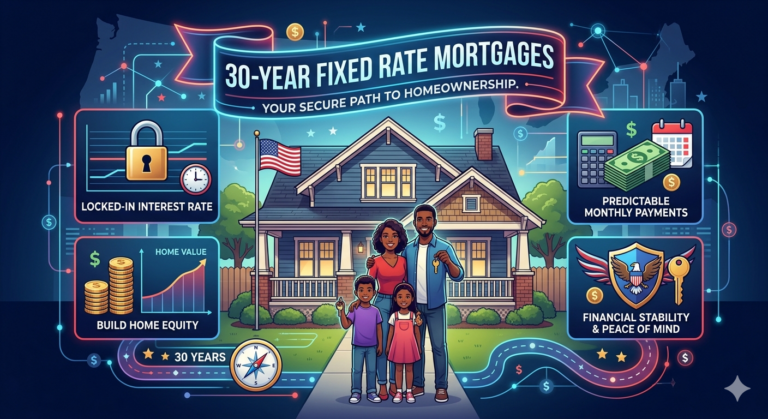
Check if they offer fixed-rate mortgages (interest rate remains the same for the life of the loan) or adjustable-rate mortgages (ARMs) (interest rate can change after an initial fixed period), and understand the pros and cons of each for your situation. Use our Mortgage Calculator 2026 to compare monthly payments for different loan types and terms.
Look at Reputation and Reviews
A lender’s reputation speaks volumes. Websites like the Better Business Bureau (BBB), the Consumer Financial Protection Bureau (CFPB), and independent review sites can provide insights into a lender’s history of customer satisfaction and complaint resolution. Pay attention to feedback regarding unexpected fees, delays in closing, or poor communication. While one negative review shouldn’t be a dealbreaker, a pattern of similar complaints is a red flag.
Check Your Affordability and DTI Before Applying
Before you even speak to a lender, understand what you can truly afford. Use an Affordability Calculator 2026 to estimate a comfortable price range based on your income, debts, and desired monthly payment. Also, calculate your Debt-to-Income (DTI) ratio with our DTI Calculator 2026. Lenders use DTI as a key indicator of your ability to manage monthly payments. A DTI ratio below 36% (including your new mortgage payment) is generally ideal for conventional loans, though some programs allow higher.
Common Mistakes to Avoid When Getting a Mortgage in Jacksonville
Navigating the mortgage process can be complex, and some common missteps can delay your closing or even jeopardize your loan approval.
1. Not Getting Pre-Approved: A pre-approval letter from a lender is essential before you start house hunting seriously. It shows sellers you are a serious buyer and confirms how much you can borrow, streamlining your search. It’s different from pre-qualification, which is a less rigorous estimate.
2. Only Comparing One Lender: Relying on the first lender you speak with can cost you thousands. Always get Loan Estimates from at least three different lenders to compare rates, fees, and terms comprehensively. This simple step can yield significant savings.
3. Making Major Financial Changes: Once you’ve applied for a mortgage, avoid making any significant financial moves until after closing. This includes changing jobs, taking on new debt (like buying a car or furniture), closing credit accounts, or making large, unexplained deposits into your bank accounts. These changes can alter your DTI or credit score, leading to loan delays or even denial.
4. Misunderstanding All Costs Involved: Beyond the down payment, there are numerous closing costs, including appraisal fees, inspection fees, title insurance, and lender fees. These can add up to 2-5% of the loan amount. Ensure you understand all these costs and factor them into your budget. Your Loan Estimate will detail these.
5. Delaying Document Submission: Lenders require a lot of documentation (pay stubs, tax returns, bank statements). Respond promptly to all requests for information. Delays on your part can push back your closing date, which can be costly and frustrating for all parties involved.
6. Ignoring Lender Reviews and Reputation: While a good rate is appealing, a lender with a poor reputation for service can turn your homebuying experience into a nightmare. Prioritize lenders known for transparency, efficiency, and good customer support. Look at resources like the Blogs for more advice on choosing the right lender.
Who Should NOT Rush into a Jacksonville Mortgage Right Now
While homeownership is a rewarding goal, it’s not the right time for everyone, especially in a competitive market like Jacksonville. Consider holding off if any of these situations apply to you:
- Unstable Employment or Income: If your job is insecure, or your income fluctuates significantly, taking on a large mortgage payment can be risky. Lenders prefer a stable employment history (typically two years) to ensure you can consistently make payments.
- Significant Unaddressed Debt: If your Debt-to-Income (DTI) ratio is already high due to credit card debt, student loans, or other obligations, adding a mortgage payment could stretch your finances too thin. Focus on reducing existing high-interest debt first to improve your financial stability and DTI. Our DTI Calculator 2026 can help you assess your current situation.
- No Emergency Savings: Homeownership comes with unexpected expenses – repairs, maintenance, and potential increases in property taxes or insurance. Without an emergency fund (typically 3-6 months of living expenses), a sudden financial setback could jeopardize your ability to keep your home.
- Planning to Move Soon: If you anticipate relocating within a few years, the costs associated with buying and selling (closing costs, real estate agent commissions) might outweigh the benefits of home appreciation. It often takes several years to break even on a home purchase.
- Undetermined Long-Term Goals: A mortgage is a long-term commitment. If you’re unsure about your career path, family plans, or where you want to live for the next 5-10 years, rushing into homeownership might limit your flexibility later on.
- Poor Credit Score with No Plan to Improve: While FHA loans are available for lower scores, a very low score (e.g., below 580) will lead to higher interest rates and limited loan options. If your credit needs significant work, focus on improving it first to secure better terms and save money over time.
For some, renting might be the more financially prudent choice until their personal circumstances align better with the responsibilities of homeownership.
Ready to Find Your Jacksonville Home?
Finding the best mortgage lender in Jacksonville for your specific needs requires careful research, comparison, and a clear understanding of your financial situation. By leveraging the information and tools provided by mortgagetune.com, you can approach the process with confidence, whether you’re a first-time buyer, a veteran, self-employed, or looking to refinance.
Remember to compare multiple offers using our Mortgage Rate Comparison Tool 2026, utilize our Mortgage Calculator 2026 to estimate payments, and explore eligibility with our Loan Eligibility Checker Tool 2026. Don’t hesitate to contact several lenders, ask detailed questions, and ensure you feel comfortable with their approach and communication. Your journey to homeownership in Jacksonville starts with a well-informed decision.
This article is for informational purposes only and does not constitute financial or legal advice. Mortgage rates, loan limits, and program requirements change frequently. Always consult a licensed mortgage professional and verify current rates directly with lenders before making any financial decisions.