Best Mortgage Lenders in Houston
Welcome to mortgagetune.com, your friendly guide to finding the perfect mortgage in the bustling city of Houston, Texas! Buying a home here, whether it’s your first place or an investment property, means making one of the biggest financial decisions of your life. With Houston’s sprawling neighborhoods and diverse housing options, finding the right mortgage lender is just as crucial as finding the right house. I’ve spent over a decade helping people like you figure out the ins and outs of home financing, and I know how confusing the process can seem at first glance.
Houston is a massive city with a dynamic housing market, which means you have hundreds of mortgage lenders to choose from. This wide selection can feel overwhelming, but it also presents an opportunity to find a lender who truly fits your specific financial situation. My goal today is to walk you through the top mortgage lenders in Houston, discuss what makes them stand out, and help you understand the types of loans available, so you can make an informed choice with confidence. Let’s make sure you get the best deal possible for your new home in the Bayou City.
What to Look For in a Houston Mortgage Lender
Before we jump into specific lenders, let’s talk about the key things you should consider. Not every lender is the same, and what works for one person might not be ideal for another. You’ll want to compare more than just interest rates; think about fees, loan options, and the quality of customer service. My experience tells me that a difference of just 0.125% in your interest rate can save you thousands of dollars over the life of a 30-year loan.
Rates and Fees
The interest rate is probably the first thing everyone looks at, and for good reason. A lower interest rate means lower monthly payments and less money paid over the loan’s term. However, it’s also important to consider the APR (annual percentage rate, which includes the interest rate plus certain other charges like origination fees and discount points), as this gives you a more complete picture of the total cost of borrowing. A lender might advertise a slightly lower interest rate but have higher fees, leading to a higher APR overall. Closing costs, which typically range from 2% to 5% of the loan amount in Houston, also play a big role in your upfront expenses. For example, on a $300,000 loan, closing costs could be anywhere from $6,000 to $15,000.
Loan Options
Different lenders specialize in different types of loans. You’ll want a lender who offers the specific mortgage product that best suits your needs. Here are some common types:
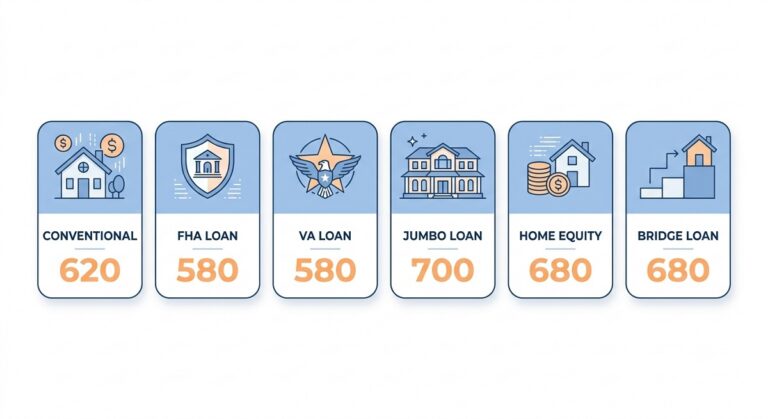
- Conventional Loans: These are not backed by a government agency and often require a minimum credit score of 620, with a down payment as low as 3% for some programs.
- FHA Loans (Federal Housing Administration): Insured by the government, these loans are popular for first-time homebuyers or those with lower credit scores (sometimes as low as 580) and require a minimum down payment of 3.5%.
- VA Loans (Department of Veterans Affairs): Guaranteed by the VA, these loans are for eligible veterans and service members, often requiring no down payment and no PMI (private mortgage insurance, a monthly fee paid by borrowers who make a down payment less than 20% on a conventional loan).
- USDA Loans (United States Department of Agriculture): These loans are for properties in eligible rural areas, also often requiring no down payment, and target low-to-moderate income borrowers.
- Jumbo Loans: For loan amounts exceeding the conforming loan limit (e.g., $766,550 for a single-family home in Harris County for 2024), these loans typically require higher credit scores (often 700 or above) and larger down payments (usually 10% to 20%).
Make sure the lender you choose offers the loan type you need. If you’re a veteran, for instance, a lender experienced with VA loans could save you thousands.
Customer Service and Local Expertise
Buying a home is a complex process, and good customer service makes a huge difference. You want a loan officer who is responsive, clear in their communication, and genuinely helpful. Look for lenders with high customer satisfaction scores, perhaps 4.5 out of 5 stars or more in online reviews. A lender with local knowledge of the Houston market can also be incredibly valuable. They understand things like specific property tax rates (which can be 2% to 3% annually in some areas) and flood zone considerations (areas identified by FEMA as having a certain risk of flooding), which are very important in our city. I’ve seen countless situations where local expertise saved a client unexpected headaches or costs, sometimes upwards of $1,000 on flood insurance alone.
Technology and Process Efficiency
In today’s digital age, many lenders offer online applications, electronic document submission, and even mobile apps. This can make the process faster and more convenient. Some lenders can even provide a pre-approval (a conditional commitment from a lender to lend you a specific amount of money, based on an initial review of your finances) within 24 to 48 hours. If you prefer face-to-face interaction, a lender with multiple physical branches in Houston might be a better fit. Consider how you prefer to manage your financial transactions and pick a lender that aligns with that.
Top National Lenders with a Strong Houston Presence
Many large national lenders have a significant footprint in Houston, offering a wide array of loan products and services. These lenders often have the resources to offer competitive rates and a streamlined process.
Rocket Mortgage (Powered by Quicken Loans)
Rocket Mortgage is one of the largest online mortgage lenders in the country, and they handle a substantial volume of loans for Houston homebuyers. They are well-known for their technology-driven approach, making the mortgage application process largely digital and often quite fast.
- Pros: Their online platform is incredibly user-friendly, allowing you to get a pre-approval quickly, sometimes in minutes. They offer a variety of loan types, including conventional, FHA, and VA loans, and often close loans in under 30 days. Their online tools, like a mortgage calculator and refinance calculator, are very helpful for initial research.
- Cons: While efficient, the digital-first model means less face-to-face interaction, which some borrowers prefer. Their rates might not always be the absolute lowest for highly complex financial situations, and sometimes they may require a slightly higher credit score, perhaps 620 or above for certain programs.
- Who Should NOT Use This: If you prefer a highly personalized experience with a dedicated loan officer who you can meet in person frequently, Rocket Mortgage might feel too impersonal. Borrowers with very complex income structures or unique financial challenges might find a traditional lender more accommodating.
Chase Bank
As one of the largest banks in the United States, Chase has a very strong presence in Houston, with over 100 branches across the greater metropolitan area. They offer a full suite of banking services in addition to mortgages.
- Pros: Chase provides a wide range of mortgage products, including conventional, FHA, VA, and jumbo loans. Existing Chase customers might qualify for special discounts, such as a 0.125% interest rate reduction or a reduction in closing costs, saving hundreds of dollars. Their extensive branch network means you can easily find in-person support if you need it.
- Cons: The large size of the organization can sometimes lead to a slower, more bureaucratic process compared to smaller, specialized lenders. The application and underwriting process can sometimes take 45 days or more.
- Who Should NOT Use This: If you’re looking for the absolute fastest closing time or a completely digital, hands-off mortgage experience, Chase might not be your top choice. Borrowers who prioritize speed above all else might find the process a bit drawn out.
Wells Fargo
Another major national player, Wells Fargo also has a significant number of branches throughout Houston and offers a broad selection of mortgage options.
- Pros: Wells Fargo offers diverse loan programs, including conventional, FHA, VA, and specialty loans, catering to various financial situations. They have experience with first-time homebuyer programs that can offer low down payments, sometimes as low as 3.5% for FHA loans. Their large network can provide convenience for those who prefer to bank in person.
- Cons: Wells Fargo has faced reputational challenges in the past, and customer service quality can sometimes vary depending on the specific branch or loan officer. Their process can also be less agile than smaller, online-only lenders.
- Who Should NOT Use This: Borrowers who prioritize a lender with a pristine public image or those who are sensitive to past corporate controversies might want to consider other options. If you’re looking for a very nimble and consistently top-rated customer service experience across the board, it might be hit or miss.
Bank of America
Bank of America is another large national bank with numerous locations in Houston, providing mortgage services alongside their retail banking offerings.
- Pros: Bank of America offers a variety of mortgage solutions, including specific programs for first-time homebuyers. These programs can provide substantial assistance, sometimes offering up to $10,000 in down payment and/or closing cost assistance, which can significantly reduce upfront expenses. They have a large network of loan officers across the city.
- Cons: Similar to other large banks, the process can sometimes feel bureaucratic and less flexible than what you might find with a smaller lender or mortgage broker. Their underwriting can be stringent, requiring extensive documentation, potentially prolonging the application process by several days.
- Who Should NOT Use This: If you have a very complex financial profile that requires out-of-the-box thinking or if you are looking for a super-fast closing, Bank of America might not be the ideal fit. Their process can sometimes take 45-60 days to complete.
Mortgage Brokers (Working with Lenders like UWM)
Mortgage brokers don’t lend money directly; instead, they act as intermediaries, connecting borrowers with various lenders, including large wholesale lenders like United Wholesale Mortgage (UWM). Many local Houston private mortgage lenders operate this way.
- Pros: A good mortgage broker can shop around for you among dozens of lenders, potentially finding more competitive rates and fees. They often have access to a broader range of loan products than a single bank, including niche options. This can sometimes result in saving 0.25% or more on your interest rate, which translates to significant savings over time. They often provide personalized service and guidance throughout the process.
- Cons: The quality of service depends heavily on the individual broker you work with. Some brokers might charge an origination fee (a fee charged by the lender for processing a loan application), which can add to your closing costs by 0.5% to 1.5% of the loan amount.
- Who Should NOT Use This: If you prefer direct communication with a large, well-known financial institution and want to handle most of the process yourself online, a mortgage broker might not be your preferred method. It also requires trusting the broker to find the best deal for you.
Leading Local & Regional Lenders in Houston
Sometimes, the best choice isn’t a national giant but a local or regional lender that specializes in serving the Houston community. These lenders often offer a more personalized touch and deep knowledge of the local market.
Guild Mortgage
Guild Mortgage is a prominent independent mortgage lender with a strong presence in Texas, including multiple branches in the Houston area. They focus heavily on customer service and building relationships.
- Pros: Guild Mortgage is highly regarded for its personalized customer service, with many online reviews citing 5-star experiences with their loan officers. They offer a diverse range of loan products, including conventional, FHA, VA, USDA, and even some construction loans, making them versatile. Their local loan officers are well-versed in the Houston market and specific state programs, which can be invaluable.
- Cons: While competitive, their rates may not always be the absolute lowest compared to some high-volume online-only lenders. Their digital tools, while good, might not be as advanced as those offered by Rocket Mortgage.
- Who Should NOT Use This: Borrowers whose primary concern is finding the lowest possible advertised interest rate without much consideration for personalized service might not find Guild Mortgage to be the absolute cheapest option upfront.
PrimeLending
PrimeLending, a PlainsCapital Bank company, is another well-respected independent mortgage lender with a significant presence in Houston. They pride themselves on a smooth and efficient loan process.
- Pros: PrimeLending has a good reputation for customer satisfaction and efficient loan closings, often completing mortgages in under 30 days. They offer a wide variety of loan types, including FHA, VA, conventional, and specific programs for first-time homebuyers or those looking to refinance. Their loan officers are known for being knowledgeable and responsive, often providing daily updates.
- Cons: Compared to national banks, PrimeLending has fewer physical branches for in-person consultations. Some borrowers might find their rates to be slightly higher than the absolute lowest available from discount online lenders.
- Who Should NOT Use This: People who strongly prefer to conduct all their financial business in person at a bank branch might find the more focused presence of PrimeLending less convenient.
Houston Credit Unions (e.g., Houston Federal Credit Union, JSC Federal Credit Union)
Credit unions in Houston are member-owned financial cooperatives that often prioritize member benefits over corporate profits. This can translate into better rates and more flexible terms for their mortgage products.
- Pros: Credit unions often offer highly competitive interest rates and lower fees compared to larger banks. I’ve seen rates that are 0.10% to 0.25% lower on a fixed-rate mortgage. They are known for their personalized service and a willingness to work with members on unique financial situations, sometimes offering more flexible underwriting (the process of assessing a borrower’s creditworthiness and ability to repay a loan). They often have community-focused programs.
- Cons: You usually need to meet membership requirements (e.g., living or working in a specific area, or being affiliated with a particular employer or organization). They might have fewer loan product options than a large national bank, and their digital platforms may not be as advanced.
- Who Should NOT Use This: Non-members will not be able to use a credit union unless they qualify for membership. If you’re seeking a very niche or specialized loan product that requires extensive customization, a credit union might have limited offerings compared to some large, specialized lenders.

Specialized Lenders for Unique Situations
Not every homebuyer fits into a standard mortgage box. Houston’s diverse population means there’s a need for lenders who can cater to unique financial circumstances or specific loan types.
First-Time Homebuyers
Many lenders in Houston offer programs tailored for first-time homebuyers. The Texas Department of Housing and Community Affairs (TDHCA) is a great resource, offering down payment and closing cost assistance programs, which can provide up to 5% of the loan amount. FHA loans are very popular here, requiring only a 3.5% down payment and a minimum credit score of 580 in many cases. VA loans are also fantastic for eligible veterans, requiring 0% down and no PMI. Several local banks and credit unions also have their own specific first-time buyer incentives.
Jumbo Loans for High-Value Properties
Houston has many luxury neighborhoods where home prices far exceed the conforming loan limit of $766,550 for Harris County in 2024. For these homes, you’ll need a jumbo loan. Lenders like Chase, Wells Fargo, and some private mortgage lenders specialize in jumbo mortgages. These loans typically require higher credit scores, often 700 or above, and larger down payments, usually 10% to 20%, depending on the loan amount and lender. The interest rates can sometimes be slightly higher or lower than conforming loans, depending on market conditions and the lender’s portfolio.
Low Credit Score Options
If your credit score isn’t perfect, don’t despair! FHA loans are specifically designed for borrowers with lower credit scores, often accepting scores as low as 580 with a 3.5% down payment. Some lenders also offer manual underwriting for FHA loans, which allows them to review your overall financial picture beyond just your credit score, potentially approving you with a slightly lower score if other factors are strong. USDA loans can also be an option for qualifying rural properties and borrowers, sometimes accepting scores below 620.
VA Loans for Veterans and Service Members
For our nation’s heroes, VA loans are an incredible benefit. They offer 0% down payment, competitive interest rates, and no PMI. However, you’ll need to obtain a Certificate of Eligibility (COE) from the VA. Many lenders in Houston specialize in VA loans, understanding the unique requirements and paperwork involved. Lenders like Guild Mortgage and PrimeLending have strong VA loan departments, often closing these loans quickly, sometimes within 30 days.
Self-Employed Borrowers
Being self-employed can make getting a mortgage a bit more challenging, as traditional lenders often require extensive tax returns. Some lenders, however, offer “bank statement loans” or other non-QM (non-qualified mortgage) products. These loans allow self-employed individuals to qualify using 12 to 24 months of bank statements instead of traditional tax returns. They often require a larger down payment, perhaps 10% to 20%, and a higher credit score, usually 660 or above, but they provide a vital pathway to homeownership for many entrepreneurs in Houston.
Understanding Houston’s Housing Market Context
Houston’s housing market is unique, and understanding some key local factors will help you make better mortgage decisions. The median home price in Houston has hovered around $350,000 in early 2024, but this varies wildly by neighborhood. Knowing the local market helps you estimate your potential loan amount and home affordability. You can use a home affordability calculator to get a clear picture.
One significant factor here is property taxes. Texas has some of the highest property taxes in the nation, and in many parts of Houston, you could be looking at an annual tax rate of 2% to 3% of your home’s assessed value. For a $350,000 home, this means an annual tax bill of $7,000 to $10,500, which significantly impacts your monthly mortgage payment (as taxes are typically included in your escrow, an account held by the lender to pay property taxes and homeowners insurance).
Another critical consideration, especially in Houston, is flood insurance. Many areas are designated as flood zones by FEMA (Federal Emergency Management Agency), and if your property is in one of these zones, flood insurance is mandatory. Even if it’s not mandatory, it’s often a wise investment. Flood insurance can add anywhere from $500 to over $2,000 annually to your housing costs, and you must factor this into your budget.
Knowing these local specifics will help you ask the right questions to your lender. For example, you can specifically ask about lenders who are very familiar with properties in flood zones or those who have experience with the nuances of Harris County property tax calculations.
The Mortgage Process From Start to Finish
I know the entire mortgage process can seem like a marathon, but I promise it’s manageable when broken down into steps. Here’s a quick overview of what to expect when buying a home in Houston:
1. Get Pre-Approved: This is your very first step. A pre-approval tells you how much a lender is generally willing to lend you, based on an initial check of your credit score (e.g., 680 minimum for conventional) and income. It usually takes 24 to 48 hours to get one, and it helps you set a realistic budget for your home search. Think of it as a personalized loan eligibility checker.
2. Shop for Your Home: With your pre-approval in hand, you can confidently work with a real estate agent to find your dream home in Houston. This stage can take weeks or even months, depending on the market and your preferences.
3. Apply for the Loan: Once your offer on a home is accepted, you’ll formally apply for your mortgage. This involves submitting a lot of documentation, including tax returns (e.g., 2 years), pay stubs (e.g., 30 days), and bank statements (e.g., 2 months), to your chosen lender.
4. Processing and Underwriting: This is where the lender verifies all your information. The underwriting team reviews your credit history, income, assets, and the property details to ensure everything aligns with their lending guidelines. This stage typically takes 2 to 3 weeks.
5. Appraisal and Inspection: The lender will order an appraisal (a professional valuation of the property) to ensure the home’s value matches the loan amount, usually costing $500 to $700. You’ll also want to get a home inspection, which protects you by identifying any potential issues with the property. This generally costs $400 to $800.
6. Closing: This is the final step, where you sign all the legal documents and the loan funds are disbursed. You’ll pay your closing costs, and then you get the keys to your new Houston home! The entire process, from application to closing, generally takes 30 to 45 days.
Making Your Final Decision
Choosing the best mortgage lender in Houston requires a bit of homework, but it’s time well spent. My best advice is to get at least 3 to 5 quotes from different lenders. This is the only way to truly compare rates, fees, and terms side-by-side.
When comparing quotes, pay close attention to the Loan Estimate document. This is a standardized form lenders must provide within three business days of your application. It clearly breaks down the interest rate, APR, projected monthly payments, and all associated closing costs. Look beyond just the interest rate; a lender offering a slightly higher rate might have significantly lower closing costs, making it a better deal overall for some borrowers. For example, a difference of 0.25% in fees on a $300,000 loan means $750.
Don’t be afraid to ask lots of questions. What are the origination fees? Are there any discount points (an upfront fee paid to the lender in exchange for a lower interest rate, where 1 point equals 1% of the loan amount)? How long will the closing process take? What kind of customer support can I expect? Consider the lender’s responsiveness; if they take days to return your calls during the quote phase, imagine how it might be during the busy underwriting process. Use a DTI calculator (debt-to-income ratio, meaning total monthly debts divided by gross monthly income) to understand how different loan amounts might impact your financial comfort.
Who Should NOT Use This Guide
This guide is for general informational purposes for those looking to purchase a home in Houston. It is not intended for:
- Individuals in immediate financial distress: If you are facing foreclosure or bankruptcy, you will need specialized financial and legal advice, which goes beyond the scope of this information.
- Those seeking exotic or highly complex commercial real estate financing: While some lenders mentioned handle investment properties, this guide focuses on residential mortgages.
- Borrowers with unique international tax situations: If your income or assets are primarily outside the US, you will likely need a very niche lender specializing in international finance.
- People who already have a mortgage broker they trust implicitly: If you’re happy with your current professional relationship and they consistently find you competitive rates, you might not need to start from scratch with this list.
Quick Reference Summary
To quickly recap everything we’ve covered about finding the best mortgage lenders in Houston, here are some key points I hope you take away:
- Compare More Than Just Rates: Always check the APR and consider all closing costs, which can range from 2% to 5% of your loan amount.
- Understand Loan Types: Choose a lender offering the right loan for you, whether it’s FHA (3.5% down, 580 credit score), VA (0% down), Conventional (3% down, 620 credit score), or Jumbo (700+ credit score, 10-20% down).
- Value Customer Service: A responsive loan officer can make the 30-45 day process much smoother. Look for average review scores above 4.5 stars.
- Consider Local Expertise: Lenders familiar with Houston’s property taxes (2-3% annually) and flood zones (potentially $500-$2000+ for insurance) can save you headaches and money.
- Get Pre-Approved First: This crucial step takes 24-48 hours and sets your home-buying budget. Use a loan eligibility checker.
- Shop Around: Obtain at least 3-5 Loan Estimates to compare terms and costs effectively. A difference of 0.125% in rate can be thousands over a 30-year mortgage.
- Don’t Forget Houston’s Specifics: Factor in high property taxes and potential flood insurance costs when calculating your overall home affordability.
Finding the right mortgage lender in Houston is a big step toward owning your piece of this vibrant city. By focusing on what truly matters to you, asking the right questions, and comparing your options, you’ll be well on your way to a successful home purchase. Happy house hunting!
This article is for informational purposes only and does not constitute financial or legal advice. Mortgage rates, loan limits, and program requirements change frequently. Always consult a licensed mortgage professional and verify current rates directly with lenders before making any financial decisions.