Mortgage Pre-Approval: A Complete Theoretical Guide to Understanding the Home Buying Process

Introduction to Pre-Approval as the First Step in Home Buying
Mortgage pre-approval is one of the most important steps in the home buying process, yet many people do not fully understand what it means or why it matters. From a theoretical perspective, pre-approval represents a financial assessment conducted by a lender to determine how much money you are eligible to borrow for a home. It is not just a rough estimate but a structured evaluation based on your income, credit history, and financial stability. This step acts as a foundation for the entire home buying journey because it sets clear expectations and limits before you start searching for a property.
Theoretical Understanding of Mortgage Pre and Financial Evaluation
At its core, mortgage pre-approval is a process where a lender analyses your financial profile to assess your borrowing capacity. This includes reviewing your income sources, employment stability, credit score, and existing debts. From a theoretical standpoint, this evaluation helps reduce risk for the lender while also providing clarity for the borrower. It creates a structured agreement where both parties understand the financial boundaries involved. Unlike a simple pre-qualification, which is based on basic information, pre-approval involves verification and carries more weight in real estate transactions.
How Mortgage Pre-Approval Shapes the Home Buying Decision Process
Mortgage pre-approval plays a critical role in shaping how buyers approach the housing market. Without it, buyers often search for homes without knowing their actual budget, which can lead to confusion and disappointment. From a theoretical perspective, pre-approval introduces a level of discipline and direction into the decision-making process. It allows buyers to focus only on properties that match their financial capacity, making the search more efficient and realistic. This clarity reduces uncertainty and helps buyers make more confident choices.
The Importance of Creditworthiness and Income Stability in Pre-Approval
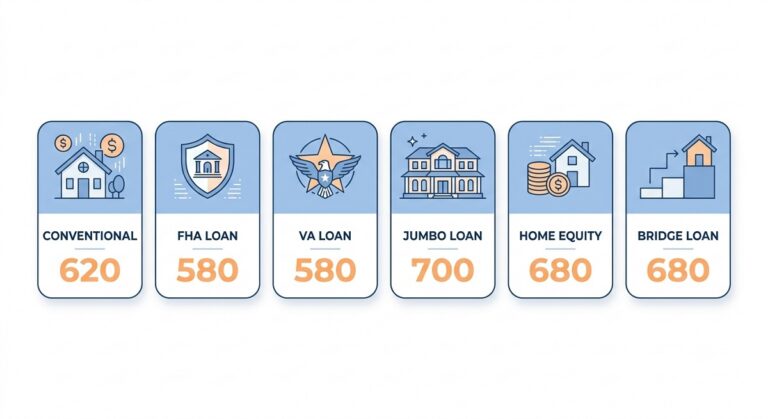
A key factor in mortgage pre is your financial reliability, which is measured through your creditworthiness and income stability. Lenders use these factors to determine whether you are capable of repaying the loan over time. From a theoretical perspective, this process is based on risk assessment, where the lender evaluates the likelihood of default. A strong credit history and stable income increase your chances of approval and may also lead to better loan terms. On the other hand, weak financial indicators can limit your borrowing capacity or result in higher interest rates.
The Role of Documentation in Strengthening Mortgage
Documentation is an essential part of the pre-approval process because it provides proof of your financial condition. This typically includes income statements, tax records, bank statements, and employment verification. From a theoretical standpoint, documentation serves as evidence that supports the lender’s decision. It transforms assumptions into verified facts, ensuring that the approval is based on accurate information. This step also adds credibility to your application, making you a more serious and reliable buyer in the eyes of both lenders and sellers.
How Mortgage Pre-Approval Increases Buyer Credibility in the Real Estate Market
In competitive real estate markets, having a good agent can significantly improve your position as a buyer. Sellers are more likely to consider offers from individuals who have already been financially vetted by a lender. From a theoretical perspective, pre-approval acts as a signal of seriousness and readiness. It shows that you have the financial backing to complete the purchase, which reduces uncertainty for the seller. This advantage can be especially important in situations where multiple buyers are competing for the same property.
Understanding the Difference Between Pre-Approval and Pre-Qualification
Mortgage pre is often confused with pre-approval, but the two are not the same. Pre-qualification is a basic estimate based on unverified information, while pre-approval involves a detailed and verified financial review. From a theoretical standpoint, pre-qualification provides a general idea, whereas pre-approval offers a more accurate and reliable assessment. This distinction is important because pre-approval carries more credibility and is taken more seriously in the home-buying process.
The Impact of Pre-Approval on Loan Terms and Interest Rates
Mortgage pre-approval does not only determine how much you can borrow; it can also influence the terms of your loan. Lenders use the information gathered during the pre-approval process to decide interest rates and repayment conditions. From a theoretical perspective, better financial profiles lead to more favourable terms because they present lower risk. This means that a strong pre-approval can result in lower interest rates and better overall loan conditions, which can save you money over time.
Time Validity and the Temporary Nature of Mortgage
It is important to understand that mortgage pre-approval is not permanent. It usually has a limited validity period, often ranging from a few weeks to a few months. From a theoretical perspective, this limitation exists because financial conditions can change over time. Income, credit scores, and market conditions may shift, which can affect your eligibility. As a result, buyers need to act within the validity period or be prepared to renew the pre-approval if necessary.
Common Misconceptions About Mortgage Approval
Many people misunderstand mortgage pre-approval and assume that it guarantees a loan. In reality, it is a conditional approval based on current information. From a theoretical standpoint, final approval depends on additional factors such as property evaluation and final verification of financial details. Another common misconception is that pre-approval is only necessary for first-time buyers, when in fact it is beneficial for anyone entering the housing market. Understanding these misconceptions helps buyers approach the process with realistic expectations.
Conclusion: The Strategic Importance of Mortgage in Home Buying
The bottom line is clear. Mortgage pre-approval is a critical step that provides structure, clarity, and credibility in the home buying process. It helps buyers understand their financial limits, strengthens their position in the market, and supports better decision-making. From a theoretical perspective, it connects financial readiness with purchasing strategy, ensuring that buyers move forward with confidence and accuracy. By understanding and utilising pre-approval effectively, individuals can navigate the complexities of real estate with greater ease and success.
FAQs
What is the main purpose of mortgage pre-approval?
It determines how much a lender is willing to lend based on your financial condition.
Does pre-approval guarantee a home loan?
No, it is a conditional approval, and final approval depends on further checks.
How long does mortgage pre-approval last?
It usually remains valid for a limited period, often a few weeks to a few months.