Mortgage Lending Jobs Near Me: How to Start Your Career in 2026
The dream of homeownership is central to many American families, and behind every successful home purchase is a network of dedicated mortgage professionals. If you’re considering a career that blends finance, sales, client service, and intricate regulations, a role in mortgage lending could be a fulfilling path in 2026 and beyond. This field offers diverse opportunities, from guiding first-time buyers through their initial application to underwriting complex commercial loans. The “near me” aspect of your job search is more flexible than ever, with roles available in local branches, large corporate offices, and increasingly, remote settings.
A career in mortgage lending means understanding more than just interest rates; it involves becoming a trusted advisor, a problem-solver, and a crucial link in one of life’s most significant financial transactions. This guide will walk you through the essential steps, expected qualifications, and the different roles that make up the dynamic mortgage industry. We’ll explore what it takes to get started, how to find opportunities in your area, and the common pitfalls to avoid as you build your career.
What Does a Mortgage Lending Professional Do?
Mortgage lending encompasses a wide array of specialized roles, each contributing to the process of helping individuals and families finance a home. While the term “mortgage lender” often brings to mind the person who approves a loan, the journey from application to closing involves many experts. Understanding these distinct functions is the first step in identifying where your skills and interests might best fit.
A mortgage lending professional generally works for a financial institution, such as a bank, credit union, or an independent mortgage company. Their collective goal is to assess a borrower’s financial health, determine their eligibility for various loan products, and guide them through the complex regulatory landscape of home financing. The industry is highly regulated, primarily by federal agencies like the Consumer Financial Protection Bureau (CFPB) and state licensing bodies, to protect consumers and ensure fair lending practices.
Key Roles in Mortgage Lending
The mortgage process is like a relay race, with different professionals passing the baton at each stage. Here are some of the most prominent roles you might consider:
- Mortgage Loan Officer (MLO) / Loan Originator: Often the first point of contact for borrowers, MLOs are sales-driven individuals who help clients understand their borrowing options, apply for loans, and gather necessary documentation. They are responsible for “originating” the loan, meaning they initiate the application process and work directly with the client. MLOs often explain various loan types, such as FHA Loans, VA loans, conventional loans, and specialized programs. They need excellent communication skills and a deep understanding of mortgage products to help borrowers choose the right fit. For example, an MLO might use a mortgage calculator to illustrate payment scenarios for a client or help them understand their potential monthly obligations.
- Loan Processor: Once an MLO gathers the initial application, a loan processor takes over. This detail-oriented role involves collecting and verifying all necessary documentation, such as income statements, credit reports, and property appraisals. They act as a liaison between the borrower, the loan officer, and the underwriter, ensuring that the loan file is complete and accurate according to regulatory and lender guidelines. A processor’s meticulous work ensures the application progresses smoothly and efficiently.
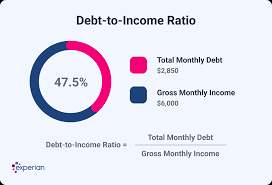
- Mortgage Underwriter: Underwriters are the financial detectives of the mortgage world. Their primary responsibility is to assess the risk of a loan, determining if a borrower meets the lender’s criteria for approval. They analyze credit history, income stability, assets, and property value. Underwriters ensure that the loan complies with all federal regulations and lender-specific rules. For instance, they meticulously review a borrower’s debt-to-income ratio (DTI) using data similar to what a DTI calculator provides, to ensure they can realistically afford the monthly payments. This is a highly analytical role requiring sharp decision-making skills and an in-depth understanding of lending guidelines.
- Closer/Funder: As the loan nears approval, the closer (sometimes called a funder) prepares all the final legal documents for signing. This includes promissory notes, deeds of trust, and settlement statements. They coordinate with all parties involved—borrowers, real estate agents, title companies, and attorneys—to ensure a smooth closing process. The closer’s role is critical for the legal transfer of funds and property, ensuring every T is crossed and every I is dotted.
- Mortgage Servicer: After a loan closes, a mortgage servicer manages the loan throughout its life. This involves collecting monthly payments, managing escrow accounts for property taxes and insurance, handling customer inquiries, and assisting borrowers facing financial hardship. Servicers are responsible for maintaining accurate records and communicating regularly with borrowers. This role requires strong organizational skills and customer service orientation.

Essential Steps to Starting Your Mortgage Lending Career in 2026
Entering the mortgage lending industry requires a combination of education, licensing, and practical experience. The path can vary depending on the specific role you pursue, but certain foundational steps are common across most positions. Staying informed about current regulations and industry trends, especially those projected for 2026, is vital for success.
Step 1: Education and Foundational Knowledge
While a specific degree isn’t always mandatory for entry-level positions, a solid educational background can significantly enhance your prospects.
- High School Diploma or GED: This is the absolute minimum requirement for almost any position in mortgage lending.
- Higher Education (Recommended): Many successful mortgage professionals hold an associate’s or bachelor’s degree in fields like finance, business administration, economics, or even communications. These degrees provide a strong understanding of financial principles, market dynamics, and client interaction strategies. While not strictly required for every role, a degree can accelerate your career progression and make you a more competitive candidate, especially for underwriting or management positions.
- NMLS-Approved Pre-Licensing Education (for MLOs): If you plan to become a Mortgage Loan Officer (MLO), you’ll need to complete specific pre-licensing education requirements mandated by the Nationwide Multistate Licensing System (NMLS). As of 2026, this typically includes at least 20 hours of NMLS-approved courses covering federal mortgage law, ethics, non-traditional mortgage products, and state-specific education. These courses provide the essential knowledge base for ethically and legally originating loans.
Step 2: Licensing Requirements (For MLOs and Specific Roles)
For roles like Mortgage Loan Officer, federal and state licensing is a strict requirement. This process ensures professionals meet certain standards of competency and ethics.
- The SAFE Act: The Secure and Fair Enforcement for Mortgage Licensing Act of 2008 (SAFE Act) mandates that all MLOs who work for non-depository institutions (i.e., not banks or credit unions) must be registered with the NMLS and obtain a state license. Even MLOs at banks and credit unions must be registered with the NMLS, though they are often exempt from state-specific licensing exams.
- NMLS Registration and Testing: To become a licensed MLO, you must:
1. Create an NMLS Account: Register on the NMLS website.
2. Complete Pre-Licensing Education: Finish the required NMLS-approved courses (e.g., the 20-hour course mentioned above).
3. Pass the SAFE MLO Exam: This is a comprehensive national exam covering federal laws, ethics, and general mortgage knowledge. Passing scores are typically 75% or higher. Many states also require a state-specific component to the exam, or an additional state test, which must also be passed.
4. Submit a Background Check and Credit Check: The NMLS requires a federal criminal background check and a review of your credit history. Certain financial transgressions (e.g., recent bankruptcies, foreclosures) or criminal records can prevent you from obtaining a license, as trustworthiness and financial responsibility are key.
- State-Specific Licensing: Each state has its own specific licensing requirements, which build upon the federal SAFE Act mandates. These often include additional education hours, state-specific exams, surety bonds, and ongoing continuing education. For instance, obtaining a license to be an MLO in Texas might have nuances beyond the national requirements. Always check your specific state’s NMLS page for precise 2026 requirements.
- Continuing Education: To maintain an MLO license, professionals must complete annual continuing education hours, typically 8 hours of NMLS-approved courses, covering ethics, federal law, and non-traditional mortgage products. This ensures that MLOs stay current with evolving regulations and market practices.
Step 3: Gain Experience (Entry-Level Opportunities)
While direct MLO experience is ideal, starting in an entry-level position can provide invaluable insights and build your resume.
- Loan Officer Assistant (LOA): This role works closely with MLOs, helping with client communication, scheduling, and document collection. It’s an excellent way to learn the day-to-day operations and build a network.
- Junior Loan Processor: Assisting senior processors, you’ll learn the intricacies of file management, documentation verification, and lender guidelines.
- Administrative Roles: Working in a mortgage office in any administrative capacity can expose you to the industry’s rhythm and various departments.
- Internships: Many mortgage companies and banks offer internships, particularly for college students, providing hands-on experience and mentorship.
Step 4: Network and Find Mentorship
The mortgage industry thrives on relationships. Building a professional network and finding mentors can accelerate your career.
- Industry Events: Attend local and national mortgage industry conferences, workshops, and association meetings. These provide opportunities to meet professionals, learn about new trends, and discover job openings.
- Professional Associations: Join organizations like the Mortgage Bankers Association (MBA) or state-specific mortgage associations. These groups offer resources, education, and networking platforms.
- Mentorship: Seek out experienced professionals who are willing to guide you. A good mentor can provide advice, introduce you to contacts, and help you navigate challenges.
Step 5: Master Key Skills
Beyond formal qualifications, certain soft and hard skills are crucial for success in mortgage lending.
- Sales and Communication: For MLOs, the ability to build rapport, listen actively, explain complex information clearly, and persuade clients is paramount.
- Analytical Abilities: Underwriters and processors need sharp analytical skills to evaluate financial documents, assess risk, and identify discrepancies.
- Attention to Detail: Accuracy is critical in all mortgage roles. A single error can delay a closing or lead to significant problems.
- Regulatory Compliance Knowledge: The mortgage industry is heavily regulated. A commitment to understanding and adhering to rules is non-negotiable.
- Technological Proficiency: Familiarity with customer relationship management (CRM) systems, loan origination software (LOS), and standard office productivity tools is essential in today’s digital landscape.

Finding Mortgage Lending Jobs “Near You”
The concept of “near me” for job searching has evolved. While proximity to a physical office remains a factor, the rise of remote work has expanded geographical boundaries. In 2026, you’ll find opportunities through a mix of traditional and modern search strategies.
Online Job Boards and Professional Networks
- Major Job Platforms: Websites like LinkedIn, Indeed, Glassdoor, and ZipRecruiter are excellent starting points. Use specific keywords like “Mortgage Loan Officer,” “Loan Processor,” “Mortgage Underwriter,” or “Mortgage Closer” combined with your city or state (e.g., “Mortgage Loan Officer in Texas”). These sites allow you to filter by location, experience level, and company type.
- Niche Industry Boards: Some platforms specialize in financial services or real estate jobs, offering a more targeted approach.
- Professional Social Media: LinkedIn is particularly useful for connecting with industry professionals, joining relevant groups, and discovering unadvertised opportunities. Many companies post jobs directly on their LinkedIn pages.
Direct Lender Websites
Many of the best mortgage lenders actively recruit through their own career portals. Identify reputable local and national lenders, then visit their “Careers” or “About Us” sections.
- Large Banks and Credit Unions: Institutions like Wells Fargo, Chase, Bank of America, and local credit unions regularly hire for mortgage roles.
- Independent Mortgage Companies: Companies such as Rocket Mortgage, UWM (United Wholesale Mortgage), and countless smaller, regional firms are often significant employers. Many of these firms specialize in specific niches, such as FHA Loans, or pride themselves on being among the fastest mortgage lenders in the industry, offering dynamic work environments.
- Private Lenders: For those interested in more specialized or non-traditional lending, exploring private mortgage lenders can open up different avenues, though these roles might be fewer in number and require specific expertise.
Local Networking and Industry Events
Leveraging local connections can be particularly effective for finding jobs “near you.”
- Local Mortgage Brokerages: Often smaller and community-focused, these offices might not advertise widely online but are open to direct inquiries or networking.
- Real Estate Agencies: Building relationships with local real estate agents can lead to referrals for MLO positions, as agents frequently work with various lenders and know who is hiring.
- Chambers of Commerce: Your local Chamber of Commerce can be a resource for connecting with local businesses, including mortgage companies.
- Local Professional Groups: Search for local chapters of national mortgage associations or independent local groups that hold regular meetings.
Considering Remote Opportunities in 2026
The shift towards remote work has been significant in the mortgage industry. Many roles, particularly for processors, underwriters, and even some MLOs, can be performed effectively from home.
- Expanded Reach: Remote positions mean your “near me” search can extend across states, allowing you to work for companies located anywhere in the country, provided you are licensed in the states where you originate loans.
- Flexibility: Remote roles often offer greater work-life balance and flexibility.
- Technology Dependence: Success in a remote role hinges on strong self-discipline, excellent communication via digital channels, and comfort with virtual tools and platforms.
A Look at Typical Mortgage Lending Salaries and Compensation (2026 Outlook)
Compensation in mortgage lending is highly variable and depends on the specific role, your experience level, location, and the type of lender you work for. In 2026, the industry continues to offer competitive salaries, particularly for high-performing individuals.
- Mortgage Loan Officers (MLOs): MLO compensation is often heavily commission-based. While many receive a modest base salary, a significant portion of their income comes from commissions on the loans they originate. This can range from 0.5% to 2% of the loan amount, with top producers earning substantial incomes. Entry-level MLOs might start with a lower base and a smaller commission split, gradually increasing as their book of business grows. A successful MLO in 2026 could see total compensation ranging from $70,000 to well over $200,000 annually, depending on their loan volume and market conditions.
- Loan Processors: Processors typically earn a stable base salary. In 2026, entry-level processors might expect to earn between $45,000 and $55,000 per year, with experienced processors earning $60,000 to $80,000 or more, especially in high-cost-of-living areas or with companies that offer performance bonuses.
- Mortgage Underwriters: Underwriters, due to their specialized skills and critical role, generally command higher salaries. In 2026, an entry-level underwriter might start around $60,000 to $75,000, while experienced underwriters with strong track records could earn $80,000 to $120,000+, with some senior underwriters exceeding that range.
- Closers/Funders and Servicers: These roles also typically receive a stable base salary. In 2026, salaries can range from $40,000 to $70,000 depending on experience, location, and responsibilities, with opportunities for growth into more senior operational roles.
Factors Influencing Income:
- Experience: More experience generally translates to higher earning potential.
- Location: Salaries tend to be higher in major metropolitan areas with higher costs of living.
- Loan Volume and Market Conditions: For MLOs, a robust housing market with high demand and favorable interest rates can mean higher loan volumes and, consequently, higher commissions. Conversely, a slowdown can impact income.
- Type of Lender: Large banks might offer more structured salaries and benefits, while independent mortgage brokers or private lenders might offer higher commission splits to attract top talent.
- Specialization: Expertise in niche loan products (e.g., jumbo loans, complex commercial mortgages) can also lead to higher compensation.
Common Challenges and Mistakes to Avoid
The mortgage industry can be rewarding, but it also comes with its own set of challenges. Being aware of common pitfalls can help you navigate your career path more effectively.
- Underestimating Licensing Difficulty: The NMLS exam and state-specific requirements are rigorous. Many aspiring MLOs underestimate the preparation needed, leading to multiple attempts or discouragement. Dedicate ample time to studying and use practice tests.
- Lack of Networking: Relying solely on online job applications without building relationships is a mistake. Many opportunities, especially in a competitive market, come through referrals and connections.
- Poor Understanding of Products: It’s not enough to just know the basics. A deep understanding of different loan products, eligibility requirements (e.g., FHA loan down payment rules), and market nuances is crucial. Borrowers trust professionals who can clearly explain their options and the implications of using tools like the loan eligibility checker.
- Ignoring Continuous Education: The mortgage landscape is constantly shifting due to economic factors, regulatory changes, and new technologies. Failing to stay current through continuing education, industry news, and further training can quickly make your knowledge obsolete.
- Focusing Solely on Commission (for MLOs): While commissions can be attractive, focusing only on the “sale” without genuinely understanding a client’s needs or providing excellent service is a short-sighted approach. Long-term success comes from building trust and repeat business.
- Neglecting Client Communication: Poor communication is a frequent source of client dissatisfaction. Regularly updating clients on their loan status, explaining delays, and being responsive are crucial for a positive experience.
- Inadequate Financial Planning (for MLOs): Due to the commission-based nature, MLO income can fluctuate. New MLOs often struggle if they don’t plan for income variability, especially during their initial building phase.
Who Should Pursue a Mortgage Lending Career?
A career in mortgage lending is a good fit for individuals with specific characteristics and interests:
- Sales-Driven Individuals (especially for MLOs): If you enjoy building relationships, persuasive communication, and meeting sales targets, an MLO role could be very rewarding.
- Detail-Oriented Problem Solvers: Roles like loan processing and underwriting demand meticulous attention to detail, strong analytical skills, and the ability to troubleshoot complex financial scenarios.
- Those Interested in Finance and Helping People: If you’re fascinated by financial markets and genuinely want to guide individuals through significant life events like buying a home, this industry offers a direct avenue for both.
- Individuals Comfortable with Regulation and Continuous Learning: The regulatory environment is strict and ever-changing. A willingness to study, adapt, and adhere to rules is fundamental.
- Resilient and Adaptable Professionals: The market can be cyclical, and the job requires resilience to handle both slow periods and high-pressure times. The ability to adapt to new technologies and processes is also critical.
Who Should NOT Pursue a Mortgage Lending Career?
While rewarding for many, certain aspects of mortgage lending may not align with everyone’s strengths or preferences:
- Those Seeking Quick, Guaranteed Income: Especially for MLOs, the initial ramp-up can be challenging, and income is often performance-based, not guaranteed. It requires patience and persistence.
- Individuals Uncomfortable with Sales or Client Interaction: If the idea of proactive sales, constant client communication, and managing expectations is unappealing, client-facing roles like MLOs will be a poor fit.
- Those Unwilling to Commit to Ongoing Education and Regulatory Compliance: The industry demands continuous learning and strict adherence to complex regulations. If you prefer a static job with minimal required training, this field will be frustrating.
- People with Poor Attention to Detail: Mistakes in mortgage lending can have serious financial and legal consequences. If you struggle with accuracy, organization, and thoroughness, roles in processing, underwriting, or closing will be difficult.
- Individuals Who Dislike Fluctuating Workloads: The volume of mortgage applications can vary greatly with market conditions. Some periods might involve intense hours and high pressure, while others might be slower, which can be unsettling for those who prefer a consistent pace.
Your Next Steps Towards a Mortgage Career
Embarking on a career in mortgage lending can open doors to a stable and impactful profession. It requires dedication, a commitment to learning, and a proactive approach to your job search.
1. Research NMLS Requirements: If you’re considering an MLO role, visit the NMLS website (nmlsconsumeraccess.org) to understand the exact pre-licensing education, exam requirements, and state-specific mandates for 2026.
2. Explore Different Roles: Before committing, research each position (MLO, processor, underwriter) thoroughly to see which best aligns with your skills and interests. Consider shadowing professionals if possible.
3. Build Foundational Knowledge: Even for entry-level roles, a basic understanding of mortgage concepts, different loan types, and industry terminology will set you apart. Explore resources like our blogs hub to deepen your knowledge.
4. Network Actively: Connect with professionals on LinkedIn, attend local industry events, and don’t hesitate to reach out to people for informational interviews.
5. Leverage Tools: To better understand the borrower’s perspective, experiment with tools like our affordability calculator or the Mortgage Calculator. This insight can be invaluable when advising future clients.
6. Prepare Your Resume: Tailor your resume to highlight transferable skills such as customer service, sales, analytical abilities, and attention to detail.
Starting a career in mortgage lending in 2026 offers the chance to grow professionally, build expertise, and help countless individuals achieve their homeownership dreams. By understanding the roles, committing to the necessary education and licensing, and proactively seeking opportunities, you can successfully launch your career in this dynamic field.
Disclaimer: mortgagetune.com provides educational content and resources for informational purposes only. We are not licensed financial advisors or mortgage brokers. The information presented here regarding career paths, salaries, and licensing requirements is general in nature and may not apply to all individual circumstances or change with evolving regulations. Always consult official sources like the NMLS, state regulatory bodies, and licensed career counselors for personalized advice. Before making any career decisions, it is recommended to conduct thorough research and seek guidance from qualified professionals.
This article is for informational purposes only and does not constitute financial or legal advice. Mortgage rates, loan limits, and program requirements change frequently. Always consult a licensed mortgage professional and verify current rates directly with lenders before making any financial decisions.