Mortgage Lenders That Finance Land Purchases 2026
Buying land to build your dream home or for investment can be an exciting prospect, but securing financing for a land purchase is fundamentally different from obtaining a traditional home mortgage. Unlike a standard mortgage where the property itself serves as substantial collateral, raw land presents a higher risk for lenders. This often translates into stricter qualification requirements, higher down payments, and different loan products.
Fortunately, several types of lenders do offer land loans, though you won’t typically find them among the major national mortgage lenders for conventional home loans. Your best options usually lie with local banks, credit unions, and specialized agricultural lenders. Navigating these options requires understanding the nuances of land loans and what lenders look for in a qualified borrower and a viable property.
This comprehensive guide will walk you through the specifics of land loans in 2026, identify the lenders most likely to finance your purchase, detail the qualification criteria, and explore alternatives to help you make an informed decision for your land-buying journey.
Understanding Land Loans: Beyond the Traditional Mortgage
A land loan is a specific type of financing used to purchase undeveloped or partially developed parcels of land. It differs significantly from a conventional mortgage (a loan specifically for buying a house) because there’s no physical structure to provide immediate value or act as robust collateral for the lender.
What is a Land Loan?
A land loan is a secured loan where the land itself serves as collateral. However, without a dwelling, the perceived risk to the lender is higher. If a borrower defaults on a land loan, the lender may find it more challenging to recoup their losses compared to foreclosing on a developed property that can be quickly resold. This increased risk translates into specific lending practices:
- Higher Down Payments: Expect to put down a substantial portion of the land’s purchase price, often ranging from 20% to 50%.
- Shorter Repayment Terms: Land loans typically have shorter repayment periods, commonly 5 to 15 years, compared to 15-year or 30-year mortgages for homes.
- Higher Interest Rates: Due to the increased risk, interest rates on land loans are generally 1% to 3% higher than those for conventional mortgages.
- Stricter Qualification: Lenders will scrutinize your financial stability, credit history, and your plans for the land more rigorously.
Types of Land Loans and Their Requirements
The type of land you’re purchasing will heavily influence the loan options available and the requirements associated with them. Lenders categorize land based on its development status, which directly impacts its value and the perceived risk.
#### Raw Land Loans (Undeveloped Land)
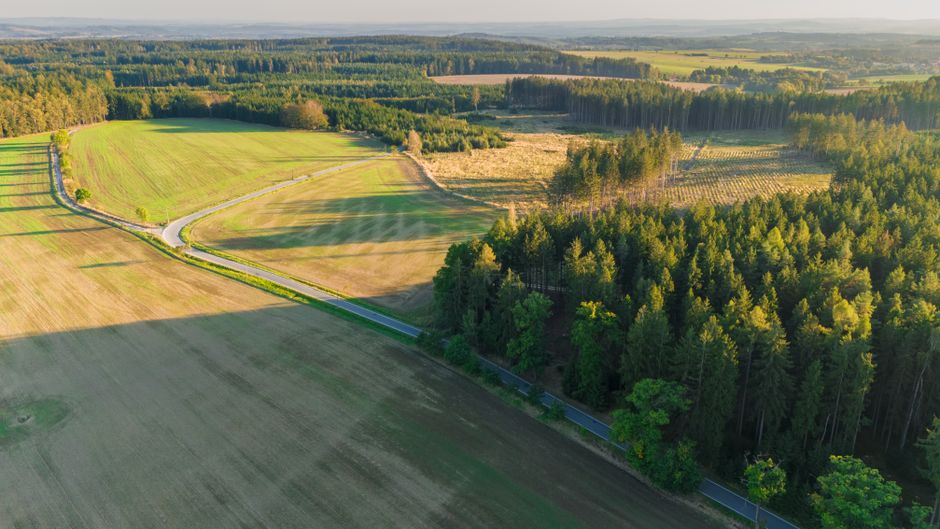
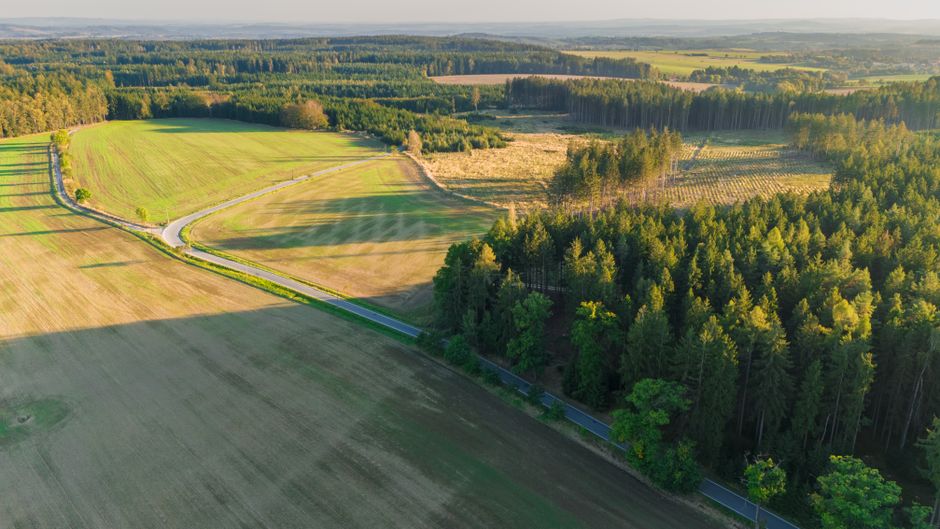
Raw land is completely undeveloped, often lacking basic infrastructure like paved roads, water, sewer, or electricity. It’s the riskiest type of land for lenders, making these loans the most challenging to secure.
- Down Payment: Typically 30% to 50% or more of the purchase price.
- Interest Rates: Often the highest, reflecting the significant risk.
- Loan Term: Shorter terms, often 5 to 10 years.
- Lenders: Primarily local banks, credit unions, and specialized private lenders who understand the local market.
- Qualification: Lenders will require a clear plan for the land, strong credit scores (e.g., 700+), and a low debt-to-income (DTI) ratio (the percentage of your gross monthly income that goes toward paying your monthly debt payments). You can estimate your DTI with our dedicated [DTI calculator](/dti-calculator-2025/).
#### Unimproved Land Loans
Unimproved land has some basic infrastructure nearby but not necessarily on the property itself. For example, a paved road might be accessible, or utility lines might be at the property boundary, but not yet connected.
- Down Payment: Generally 25% to 40%.
- Interest Rates: Still higher than conventional mortgages but potentially lower than raw land loans.
- Loan Term: Often 7 to 12 years.
- Lenders: Local banks and credit unions are common sources.
- Qualification: Strong credit (680+), stable income, and a solid plan for developing the land are crucial.
#### Improved Land Loans (Developed Land)
Improved land has essential utilities (water, sewer, electricity) already available and connected, or easily connectable, and access to a paved road. This type of land is considered less risky by lenders because it’s closer to being buildable.
- Down Payment: Typically 20% to 30%.
- Interest Rates: More competitive than raw or unimproved land, but still above traditional mortgages.
- Loan Term: Can extend up to 15 years in some cases.
- Lenders: Local banks, credit unions, and some regional lenders.
- Qualification: Lenders look for good credit (660+), a clear development timeline, and a strong financial profile.
#### Construction-to-Permanent Loans (Land & Build)
While not a standalone “land loan,” a construction-to-permanent (or construction) loan is a common way to finance land if you plan to build a home immediately. This type of loan finances both the land purchase and the construction costs, converting into a permanent mortgage once construction is complete.
- Down Payment: Varies, but can be as low as 5-20% of the total land and construction cost.
- Interest Rates: Competitive with conventional mortgages once converted, construction phase rates can be variable.
- Loan Term: Construction phase is typically 6-12 months, followed by a 15-year or 30-year mortgage term.
- Lenders: Many banks, credit unions, and some national lenders offer these.
- Qualification: Requires strong credit, detailed construction plans, a reputable builder, and strict budget adherence. This often provides the most favorable terms for land acquisition tied to building. You can explore how this impacts your long-term payments with our [mortgage calculator](/mortgage-calculator-2025/).
Who Offers Land Loans? Identifying Key Lenders
Finding a lender for a land purchase often requires looking beyond the names you typically see for traditional home mortgages. Because land loans are portfolio loans (meaning the lender keeps the loan on their books rather than selling it to a secondary market like Fannie Mae or Freddie Mac), local expertise and relationships play a significant role.
Local Banks and Credit Unions
Often your best first stop. Local community banks and credit unions are frequently the most willing to finance land purchases. They often have a deeper understanding of local property values, zoning regulations, and market trends. Because they originate and service these loans in-house, they have more flexibility in their underwriting criteria.
- Why them? They prioritize local relationships, understand specific regional market risks, and can be more agile in approving non-standard loans.
- What to expect: They will want to know your plans for the land, your financial history, and your connection to the community. Expect a personalized application process.
Specialized Land Lenders
Certain financial institutions specialize in agricultural or rural property financing, which often includes land. These can be particularly relevant for larger parcels or land intended for farming or development.
- Examples: Institutions within the Farm Credit System (e.g., AgCredit, Farm Credit of America) often provide loans for rural land, including farms, recreational properties, and land for homesites.
- Why them? They have specific expertise in rural land valuation and usage, understanding the unique risks and opportunities associated with these properties.
- What to expect: They may offer more tailored products for rural land, but their focus can be narrower, sometimes requiring agricultural intent or larger acreage.
Private Lenders and Seller Financing
When traditional lending avenues prove difficult, private lenders or owner (seller) financing can be viable alternatives. These options often come with different terms and considerations.
#### Private Lenders
Private mortgage lenders are individuals or groups who lend their own money directly to borrowers. They operate outside traditional banking institutions and may offer more flexible terms but often at higher interest rates. For more on this, consult our guide on [private lenders](/private-mortgage-lenders-a-smart-alternative-to-traditional-banks/).
- Why them? Can be more flexible with credit scores and down payments, especially if they see a strong potential in the land or borrower’s plan.
- What to expect: Higher interest rates and potentially shorter repayment terms than institutional lenders. Thorough due diligence is essential to ensure legitimate terms.
#### Seller Financing (Owner Financing)
In seller financing, the property owner acts as the lender, accepting payments directly from the buyer over time. This can be a highly flexible option, especially for raw land.
- Why them? Can bypass strict bank qualifications, negotiate favorable terms directly with the seller (e.g., a lower down payment, flexible payment schedule), and avoid closing costs associated with traditional lenders.
- What to expect: The seller dictates the terms, including interest rate, down payment, and repayment schedule. A legally binding agreement is essential.
Government-Backed Programs (Limited Role)
Most government-backed loan programs, such as FHA loans (Federal Housing Administration), VA loans (Department of Veterans Affairs), and USDA Rural Development loans, are primarily designed for financing homes, not standalone land purchases. However, there are limited exceptions if the land is part of an immediate construction plan.
- FHA Loans: FHA loans are designed for purchasing or refinancing primary residences. While an FHA loan can be used for a construction-to-permanent loan, it generally requires that construction begin immediately on FHA-approved land and with an FHA-approved builder. It’s not for purchasing raw land to hold. For general information, see our [FHA loans guide](/who-are-the-best-fha-mortgage-lenders-for-low-down-pay/).
- VA Loans: VA loans for eligible veterans and service members can include land if it’s part of a construction loan where a home will be built concurrently. Standalone land purchases are typically not allowed.
USDA Rural Development Loans: The USDA Direct Loan program (Section 502 Direct) can finance the purchase of a site if it’s tied to building a home* in a qualified rural area. However, it’s not a program for simply buying and holding undeveloped land.

Qualifying for a Land Loan: Key Requirements
Lenders approach land loan qualifications with a more conservative stance than conventional mortgages. They assess both your financial health and the viability of the land itself.
Down Payment Expectations
This is arguably the most significant difference. Be prepared for a much higher down payment than the typical 3% to 20% for a home mortgage.
- Raw Land: Anticipate 30% to 50% down. Some lenders may require even more, especially for very remote or speculative parcels.
- Improved Land: Generally 20% to 30% down. The presence of utilities and road access reduces lender risk.
- Construction Loans: If the land is part of a construction-to-permanent loan, the down payment will be based on the total project cost (land plus build), typically ranging from 5% to 20%.
Having a larger down payment not only increases your chances of approval but can also lead to more favorable interest rates.
Credit Score and Financial Stability
Lenders seek borrowers with excellent credit and a stable financial history, reflecting a lower risk profile.
- Credit Score: Expect lenders to look for credit scores in the high 600s, often 680 or higher, for land loans. For raw land or less conventional loans, a score of 700+ is often preferred.
- Debt-to-Income (DTI) Ratio: A low DTI ratio is crucial. Lenders want to see that you have ample disposable income to manage the land loan payments in addition to your existing debts. Generally, a DTI below 36% is ideal, though some portfolio lenders may go up to 43% for strong borrowers. Our [DTI Calculator](/dti-calculator-2025/) can help you estimate this.
- Income Stability and Reserves: Lenders will verify stable employment and income. They may also require you to have significant cash reserves (e.g., 6-12 months of mortgage payments) to demonstrate your ability to cover payments during unexpected circumstances.
Property Assessment and Appraisal
The land itself undergoes rigorous scrutiny. An appraisal will determine its market value, and lenders will consider other factors.
- Appraisal: A licensed appraiser will evaluate the land based on comparable sales (comps) in the area, considering factors like size, location, access, topography, and potential uses.
- Zoning and Permitting: Lenders want to ensure the land is zoned for its intended use (residential, agricultural, commercial) and that necessary permits (e.g., for septic systems, wells, building) are feasible to obtain.
- Access and Utilities: The availability of road access and utilities (water, sewer, electricity) significantly impacts the land’s value and ease of development. Landlocked parcels or those far from infrastructure are much harder to finance.
- Environmental Factors: Lenders will assess for potential environmental hazards, wetlands, flood zones, or other issues that could impact development or value.
Intended Use of the Land
Your explicit plan for the land is a major factor in a lender’s decision.
- Building a Home: If you plan to build immediately, a construction-to-permanent loan is often the most cost-effective path.
- Investment/Holding: If you intend to hold the land for future development or appreciation, lenders view this as higher risk and will require more substantial down payments and stronger financial profiles.
- Agricultural Use: For farming or ranching, specialized agricultural lenders are often the best fit.
The more clearly defined and realistic your plan, the better your chances of approval.
The Land Loan Application Process
While similar to a mortgage application in some ways, the land loan process has specific steps and focuses.
Gathering Your Documents
Be prepared to provide extensive financial documentation, including:
- Proof of income (pay stubs, W-2s, tax returns for the past two years, profit and loss statements for self-employed individuals).
- Bank statements and investment account statements to verify assets and reserves.
- Credit report and credit history details.
- A clear outline of your plans for the land (e.g., architectural drawings if building, business plan if for commercial/agricultural use).
- Details of the land parcel (survey, legal description, title report, zoning information).
Assessing the Land
The lender will conduct its own due diligence on the property. This typically includes:
- Appraisal: To determine the fair market value.
- Environmental Reports: To check for contaminants, wetlands, or other environmental restrictions.
- Title Search: To ensure clear ownership and identify any liens or encumbrances.
- Survey: To verify property boundaries.
Underwriting and Approval
The lender’s underwriting department will review your financial profile and the land assessment. They will evaluate the risk, your ability to repay, and the overall viability of the loan. This process can take several weeks, as it often involves more manual review than automated mortgage approvals. Being proactive in providing all requested information can help expedite the process, though you might not find “fastest lenders” for raw land.
Comparing Land Loan Options: What to Look For
Once you’ve identified potential lenders, it’s crucial to compare their offerings carefully. Use a structured approach to evaluate each option.
Interest Rates and Fees
- Annual Percentage Rate (APR): Compare the APR, which reflects the true annual cost of the loan, including interest and certain fees. Land loan APRs will generally be higher than conventional mortgage APRs.
- Origination Fees: These are fees charged by the lender for processing the loan.
- Appraisal and Survey Fees: Be prepared for these costs, which can vary.
- Closing Costs: Similar to mortgages, land loans have closing costs, which can include title insurance, legal fees, and recording fees. Ensure you get a detailed breakdown from each lender.
Loan Terms and Repayment Schedules
- Loan Term: Shorter terms mean higher monthly payments but less interest paid over the life of the loan. Longer terms mean lower monthly payments but more interest.
- Fixed vs. Adjustable Rate: Most land loans are fixed-rate, but some might offer adjustable-rate options. Understand how an adjustable rate could impact your payments if interest rates rise.
- Prepayment Penalties: Ask if there are any penalties for paying off the loan early.
- Balloon Payments: Some land loans, especially from private lenders, may involve a balloon payment at the end of the term, where a large lump sum is due. Ensure you have a plan to meet this.
Lender Expertise and Local Knowledge
- Experience with Land Loans: Does the lender have a track record of financing land in your specific area?
- Local Market Understanding: A local lender will have a better grasp of the unique factors affecting land values and development potential in your target region, such as those found in [Texas Lenders](/best-mortgage-lenders-in-texas-2025/) lists for specific states.
- Customer Service: How responsive and helpful is the loan officer? A good relationship can make a complex process smoother.
To compare different loan scenarios and understand your potential monthly payments, our [Mortgage Calculator](/mortgage-calculator-2025/) can be a valuable tool, though remember to adjust for the higher interest rates and shorter terms typical of land loans.
Alternatives to Traditional Land Loans
If securing a traditional land loan proves challenging or doesn’t align with your financial goals, several alternatives might be worth exploring.
Home Equity Loans or HELOCs
If you own an existing home and have substantial equity, you might be able to use a home equity loan or a home equity line of credit (HELOC) to finance a land purchase.
- Pros: Often have lower interest rates than standalone land loans because your primary residence serves as collateral. Payments can be more flexible with HELOCs.
- Cons: Puts your existing home at risk if you default. You must have sufficient equity.
- Consideration: This is typically only viable for smaller land purchases or as a bridge loan.
Personal Loans
Personal loans are unsecured loans, meaning they don’t require collateral.
- Pros: Quicker approval process, no collateral required.
- Cons: Much higher interest rates (often 8% to 30%) and shorter repayment terms (typically 2 to 7 years) compared to land loans. Loan amounts are generally much smaller, rarely sufficient for a significant land purchase.
- Consideration: Only suitable for very small plots of land or to cover a portion of a down payment if combined with another financing method.
Seller Financing
As discussed, seller financing (owner financing) is a direct agreement between you and the landowner.
- Pros: Highly flexible terms, potentially lower down payments, and easier qualification than institutional loans. Can be faster to close.
- Cons: Terms are at the seller’s discretion and may not always be ideal. Requires careful legal review to protect both parties.
- Consideration: A great option if you can find a motivated seller. Always use a real estate attorney to draft the agreement.
Construction-to-Permanent Loans
If your ultimate goal is to build a home, combining the land purchase and construction into one loan is often the most streamlined and cost-effective approach.
- Pros: Only one closing, often more favorable interest rates once converted to a permanent mortgage, and can potentially include the land’s value in the loan.
- Cons: Requires detailed construction plans, an approved builder, and strict adherence to timelines and budgets.
- Consideration: Ideal for those ready to build immediately. You can use our [loan eligibility checker](/loan-eligibility-checker-tool-2025/) to see what type of construction loans might be available to you.

Who Should NOT Pursue a Land Loan?
While land loans can be a great option for some, they are not suitable for everyone. It’s crucial to honestly assess your situation before committing to this type of financing.
- Those without a clear plan for the land: If you’re simply buying land on speculation without a defined use or a timeline for development, lenders will view this as high risk. The costs of carrying the loan (interest, property taxes) can quickly accumulate.
- Those with limited funds for a significant down payment: Expecting to finance land with a low down payment (e.g., less than 20-30%) is generally unrealistic. If you don’t have substantial cash reserves, a land loan might strain your finances.
- Those expecting rates and terms comparable to a standard mortgage: Land loans come with higher interest rates and shorter repayment periods. If you’re hoping for a 30-year fixed-rate loan at a low rate, you’ll likely be disappointed and financially overextended.
- Those with immediate plans to build but no construction loan strategy: If you’re buying land with the intent to build a home within a year or two, consider a construction-to-permanent loan from the outset. Taking a separate land loan first and then refinancing into a construction loan can incur double closing costs and potentially higher initial rates.
- Those with a high debt-to-income ratio or a poor credit history: Lenders for land loans are conservative. If your financial profile shows significant debt, inconsistent income, or past credit issues, you will likely struggle to qualify for favorable terms, if at all. Our [Loan Eligibility Checker](/loan-eligibility-checker-tool-2025/) can help you assess your general readiness.
Final Considerations Before Buying Land
Before you finalize any land purchase, ensure you’ve conducted thorough due diligence. This will protect your investment and ensure the land meets your needs.
- Zoning and Local Ordinances: Verify the land’s zoning classification (residential, agricultural, commercial) and understand any local building codes or restrictions. Will your intended use be permitted?
- Utilities Access: Confirm the availability and cost of connecting to water, sewer, electricity, and gas. For remote properties, consider the cost of drilling a well or installing a septic system.
- Access and Easements: Ensure legal access to the property via a public road. Check for any easements (rights of way for utilities or neighbors) that could restrict your use of the land.
- Surveys and Environmental Reports: A recent survey is critical to confirm boundaries. Environmental reports can reveal potential issues like wetlands, floodplains, or soil contamination.
- Property Taxes: Understand the annual property tax burden, which can vary significantly by location.
- Timeline and Budget: Have a realistic timeline for development and a detailed budget that includes the land purchase, loan costs, site preparation, utility connections, and potential construction. Use an [affordability calculator](/affordability-calculator-2025/) to ensure the total project aligns with your financial capacity.
Purchasing land is a significant financial undertaking that requires careful planning and a clear understanding of the unique lending landscape. While the path to financing raw land differs from traditional mortgages, with diligent research and an awareness of your options, you can secure the ideal piece of property for your future. Don’t hesitate to consult with multiple local lenders and financial advisors to find the best fit for your specific situation. Explore all our [mortgage tools](/mortgage-tools/) for further assistance.
METADATA
FOCUS_KEYPHRASE: Mortgage Lenders That Finance Land Purchases
META_DESCRIPTION: Discover which mortgage lenders finance land purchases in 2026. Learn about land loan types, qualification requirements, and alternatives to buy your raw land.
TAGS: land loans, land financing, raw land, unimproved land, improved land, construction loans, local banks, credit unions, seller financing, private lenders, 2026 mortgage, land buying guide, property finance, real estate investment
This article is for informational purposes only and does not constitute financial or legal advice. Mortgage rates, loan limits, and program requirements change frequently. Always consult a licensed mortgage professional and verify current rates directly with lenders before making any financial decisions.