Best Mortgage Lenders in Philadelphia Pennsylvania (2026): Top Picks & Reviews
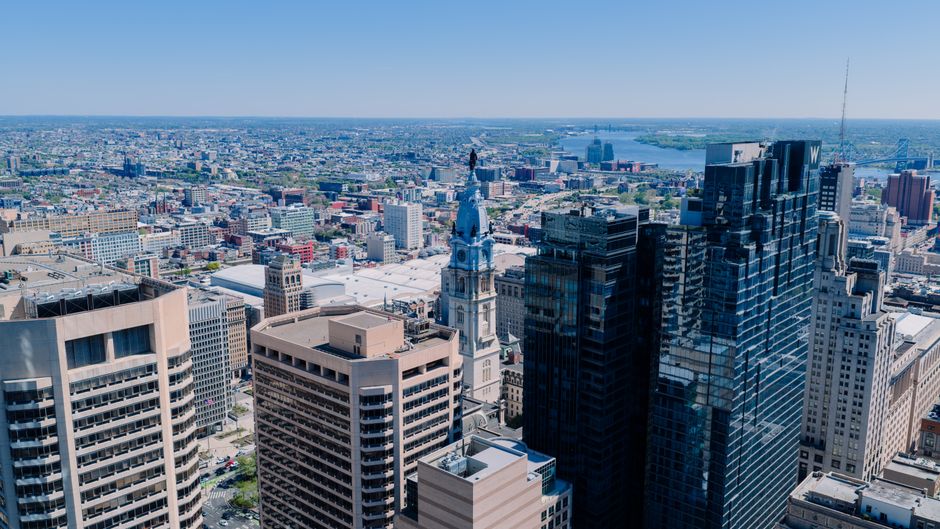
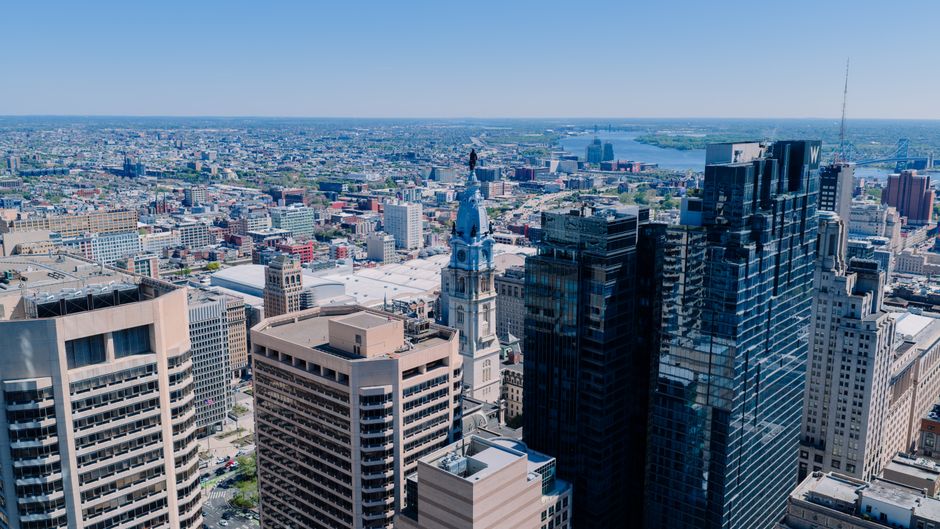
Buying a home in Philadelphia means navigating a dynamic housing market with a rich history and diverse neighborhoods. From the historic charm of Society Hill to the vibrant energy of Fishtown, each corner of the City of Brotherly Love offers unique living experiences. Securing the right mortgage is a crucial step in this process, impacting not only your monthly payments but also your long-term financial stability. This guide provides an in-depth look at the top mortgage lenders serving Philadelphia in 2026, offering insights into their offerings, local market expertise, and how to find the best fit for your homebuying journey.
We’ll explore the specific loan limits, local assistance programs, and lender types that can make your Philadelphia home purchase a reality, whether you’re a first-time buyer, a veteran, or looking to refinance. Our goal is to equip you with the knowledge to make informed decisions without giving personalized financial advice.
Philadelphia’s 2026 Housing Market: What Buyers Need to Know
Philadelphia’s real estate market continues to evolve, balancing its historic appeal with new development and growing demand. Understanding the local market conditions and financial parameters is essential before engaging with any lender. In 2026, buyers can expect a competitive environment, particularly in desirable neighborhoods, making a strong financial pre-approval a significant advantage.
Median Home Prices and Affordability in Philly
As of early 2026, the median home price in Philadelphia hovers around $285,000, representing a slight increase from previous years. This figure can vary significantly depending on the neighborhood; for instance, areas like Rittenhouse Square might see median prices well above $500,000, while sections of North Philadelphia could offer homes closer to $150,000. Affordability remains a key concern for many buyers, highlighting the importance of exploring various loan types and down payment assistance programs. Use our free affordability calculator to understand what price range fits your budget.
Key Loan Limits for Philadelphia Borrowers
Mortgage loan limits determine the maximum amount you can borrow for certain loan types without falling into “jumbo loan” territory. These limits are updated annually and are often tied to median home prices in a given area.
Conventional Loan Limits (2026)
For 2026, the conforming loan limit for a single-family home in Philadelphia County, like most of the continental U.S., is projected to be around $810,000. This means conventional loans (mortgages not backed by the government) up to this amount can be bought and sold by Freddie Mac and Fannie Mae, offering competitive interest rates and terms. Loans exceeding this amount are considered jumbo loans and typically have different qualification criteria, including higher credit score requirements and larger down payments.
FHA Loan Limits (2026) for Philadelphia County
Federal Housing Administration (FHA) loans are popular among first-time homebuyers and those with lower credit scores due to their flexible qualification standards. FHA loans have specific maximum loan amounts based on the county. For Philadelphia County in 2026, the FHA loan limit for a single-family home is anticipated to be approximately $520,000. These limits ensure the FHA program primarily serves moderate-income borrowers in the area. Our [FHA Loans Guide](https://mortgagetune.com/who-are-the-best-fha-mortgage-lenders-for-low-down-pay/) provides more details on this popular loan type.
VA Loan Limits (2026)
For eligible veterans and service members with full entitlement, the Department of Veterans Affairs (VA) removed loan limits in 2020. This means there is no maximum loan amount for VA loans in Philadelphia or any other county, as long as the borrower meets the lender’s underwriting standards and can afford the payments. However, if a veteran has partial entitlement, loan limits may still apply, usually aligning with conforming loan limits. VA loans offer significant benefits, including no down payment requirements and competitive interest rates, making them an excellent option for qualifying individuals.
Top Mortgage Lenders in Philadelphia for Every Buyer Type
Philadelphia’s diverse population means lenders cater to a wide array of financial situations and homebuying needs. Identifying the right lender depends on your specific circumstances, credit profile, and homeownership goals. Below are categories of lenders typically recommended for different types of Philadelphia borrowers.
Best for First-Time Homebuyers in Philadelphia (and DPA Programs)
First-time homebuyers often benefit from educational resources, flexible loan products, and access to down payment assistance (DPA) programs. Lenders who specialize in these areas are often the best choice.
- PNC Bank: As a major regional bank with a strong presence in Pennsylvania, PNC offers various conventional, FHA, and VA loan options. They are known for their local branch network across Philadelphia and knowledgeable loan officers who can guide first-time buyers through the process, including connecting them with state and local DPA programs. Their “Affordable Lending” programs often align well with first-time buyer needs, sometimes offering lower down payment options or credit flexibility. For example, PNC might offer a 3% down payment conventional loan program for qualified first-time buyers.
- Truist (formerly BB&T and SunTrust): Truist has a significant footprint in Philadelphia and offers a range of mortgage products, including conventional, FHA, and VA loans. They are well-regarded for their customer service and willingness to work with first-time buyers, providing comprehensive support through the application and closing process. Truist also participates in various DPA programs, which can be crucial for buyers with limited savings. They might feature specific programs like a 100% financing option for certain low-to-moderate income borrowers.
- Mortgage Brokers (Local Philadelphia Firms): Local mortgage brokers act as intermediaries, working with multiple lenders to find the best rates and programs for their clients. For first-time buyers, this can be invaluable as brokers can compare a wider array of options, including those from smaller banks or credit unions that might offer unique DPA-friendly programs. They can often find competitive rates even for borrowers with less-than-perfect credit scores. A local broker might secure an FHA loan with a 3.5% down payment and a lender credit towards closing costs.
Best for Low Down Payment Loans (FHA & Conventional 3%)
Many buyers aim for the lowest possible upfront costs. Lenders specializing in FHA loans or conventional loans requiring only 3% down are crucial for these borrowers.
- Rocket Mortgage (Quicken Loans): As a leading online lender, Rocket Mortgage is known for its streamlined digital application process and competitive rates for FHA and conventional loans. They are highly efficient for borrowers who are comfortable managing much of the process online and often offer a 3% down conventional loan (Fannie Mae’s HomeReady or Freddie Mac’s Home Possible) or the standard 3.5% FHA down payment. Rocket Mortgage aims for quick approvals, often within days for pre-qualification.
- Better Mortgage: Another prominent online lender, Better Mortgage, focuses on speed and cost efficiency by minimizing lender fees. They offer FHA and conventional loans with low down payment options. Their fully digital platform makes applying and getting approved very efficient, often boasting a 3-minute pre-approval and no commission loan officers. A typical FHA loan with Better Mortgage might involve a 3.5% down payment and no lender fees, saving the buyer approximately 1% of the loan amount in upfront costs.
- Wells Fargo: A national bank with a strong presence, Wells Fargo offers a broad portfolio of mortgage products, including low down payment options. They are a significant originator of FHA loans and also provide conventional loan products like the “yourFirst Mortgage” program, which can require as little as 3% down. While a large institution, they have local loan officers in Philadelphia who can provide personalized service. For example, a qualified buyer could secure a 3% down conventional loan with Wells Fargo, requiring a down payment of just $8,550 on a $285,000 median-priced home.
Best for VA Loans in Philadelphia
VA loans are a powerful benefit for eligible veterans and service members. Lenders with deep expertise in VA processes and a commitment to serving military families are paramount.
- Veterans United Home Loans: Specializing exclusively in VA loans, Veterans United is a national leader in this space. They have a deep understanding of VA guidelines, offer competitive rates, and provide excellent customer service tailored to military borrowers. Their focus ensures a smooth process for VA-eligible buyers, often leading to quicker approvals and closings. They often offer educational resources specifically for VA buyers, detailing benefits like the funding fee exemption for disabled veterans.
- Navy Federal Credit Union: While primarily serving military members and their families, Navy Federal is a top choice for VA loans. They are known for their competitive rates, strong customer service, and dedication to the military community. If you qualify for membership, their VA loan program is highly regarded, often coming with lower fees and personalized attention. For example, Navy Federal might offer a VA loan with a slightly lower interest rate (e.g., 0.125% less) compared to a national bank, resulting in hundreds of dollars in savings annually.
- USAA: Similar to Navy Federal, USAA caters specifically to military members and their families. They offer VA loans with a reputation for excellent customer service and understanding the unique financial situations of military personnel. While they don’t have a physical branch presence like some others, their online and phone support is highly rated. USAA’s digital tools can simplify the VA loan application, providing clear guidance on necessary documentation like the Certificate of Eligibility.
Best for Jumbo Loans in Philadelphia
For luxury homes or properties exceeding conforming loan limits in Philadelphia, jumbo loans become necessary. These require lenders with robust financial backing and specialized underwriting.
- Chase Bank: As one of the largest banks in the U.S., Chase offers a strong jumbo loan program with competitive rates. They have the financial capacity to underwrite and hold large loans, and their relationship banking approach can be beneficial for high-net-worth individuals. Chase typically requires excellent credit (often 740+) and significant reserves for jumbo loan applicants. A borrower seeking a $1.2 million jumbo loan might need a 20% down payment ($240,000) and six to twelve months of liquid reserves.
- Bank of America: Bank of America is another major national player with a robust jumbo loan portfolio. They offer a variety of jumbo loan options, including fixed-rate and adjustable-rate mortgages (ARMs), and can work with clients on complex financial profiles. They often have specific programs for affluent clients, providing tailored service through private wealth advisors. For example, BofA might offer a jumbo ARM with an initial fixed period of 7 or 10 years, appealing to buyers who anticipate moving or refinancing within that timeframe.
- Local Private Banks (e.g., WSFS Bank, Firstrust Bank): Philadelphia is home to several well-established private and community banks that excel in providing jumbo mortgages. These institutions often offer more personalized service and can be more flexible in their underwriting for unique financial situations, especially if you have an established banking relationship with them. While their rates might be slightly higher than national banks, the tailored approach can be invaluable for complex jumbo loan scenarios.

Best for Challenging Credit Scores
Borrowers with credit scores below 620 often face hurdles but still have options, primarily through FHA loans or specific portfolio lenders.
- FHA-Approved Lenders (e.g., Caliber Home Loans, LoanDepot): While many lenders offer FHA loans, some are more experienced and willing to work with borrowers at the lower end of the credit spectrum (e.g., 580-620). Caliber Home Loans and LoanDepot are examples of larger non-bank lenders that actively originate FHA loans and often have programs for slightly lower credit scores, provided other aspects of the application (like DTI or employment history) are strong. An FHA loan through one of these lenders could require a 580 credit score with a 3.5% down payment.
- Local Mortgage Brokers: As mentioned, brokers can be especially helpful for challenging credit. They have access to a broader network of lenders, including those who specialize in niche programs or portfolio loans (loans kept on the lender’s books rather than sold on the secondary market). A skilled broker might find a lender willing to accept a 550 credit score for an FHA loan if the borrower has significant compensating factors, such as a large down payment (e.g., 10%) or stable employment history.
- Credit Unions: Local credit unions like Philadelphia Federal Credit Union or Penn Community Bank are often more community-focused and may have more flexible underwriting for members, especially those with an existing relationship. While they generally prefer higher credit scores, they might offer FHA loans or specific first-time buyer programs with slightly more lenient credit requirements than large national banks. A credit union might approve an FHA loan for a member with a 600 credit score if they have a long history of on-time payments with the credit union.
Best Local Philadelphia Credit Unions and Community Banks
For a highly personalized experience, local institutions often shine. They understand the Philadelphia market intimately and may offer unique programs.
- Philadelphia Federal Credit Union (PFCU): PFCU serves anyone who lives, works, worships, volunteers, or attends school in Philadelphia and its surrounding counties. They offer a range of mortgage products, including conventional, FHA, and VA loans, often with competitive rates and lower fees due to their not-for-profit structure. Their local focus means loan officers understand the nuances of the Philadelphia market and its neighborhoods. PFCU might offer a first-time homebuyer program with a slightly reduced interest rate or lower closing costs compared to national banks.
- Penn Community Bank: As a larger community bank serving the greater Philadelphia area, Penn Community Bank offers a personalized approach to mortgage lending. They provide conventional, FHA, VA, and construction loans. They are known for their community involvement and can offer tailored solutions, sometimes with more flexible underwriting for local residents. A unique offering might be a specific portfolio loan product for a historical renovation in a Philadelphia neighborhood.
- Republic Bank: With numerous branches across Philadelphia and the surrounding region, Republic Bank focuses on delivering a personalized customer experience. They offer a variety of mortgage products and emphasize building relationships with their clients. Their local presence means easy access to loan officers and a deep understanding of local market conditions and regulations. Republic Bank may offer an in-house lending program with fewer external approval layers, potentially speeding up the closing process.
Navigating Philadelphia’s Down Payment Assistance (DPA) Programs
Down payment assistance programs are critical for many Philadelphia homebuyers, helping to bridge the gap between savings and the significant upfront costs of homeownership. These programs can offer grants (money you don’t have to repay) or low-interest, deferred, or forgivable loans for down payments and closing costs.
Pennsylvania Housing Finance Agency (PHFA) Programs
The Pennsylvania Housing Finance Agency (PHFA) is the primary state-level provider of homeownership programs and DPA for residents across Pennsylvania, including Philadelphia.
- Keystone Home Loan Program: This is PHFA’s flagship program, offering competitive 30-year fixed-rate mortgages. It can be combined with various DPA options. To qualify, borrowers typically need to meet income limits and purchase price limits, which vary by county. For example, in Philadelphia, the income limit for the Keystone Home Loan might be $135,000 for a one- or two-person household.
- HFA Preferred™ (with or without Risk-Sharing): These conventional loan products are also offered through PHFA, often requiring lower mortgage insurance premiums than FHA loans for eligible borrowers. They can be paired with DPA.
- Keystone Advantage Assistance Loan: This specific DPA program provides up to 4% of the home’s purchase price (or up to $6,000, whichever is less) as a second mortgage with a 0% interest rate. The loan is deferred and does not require monthly payments. It becomes due upon sale, refinance, or transfer of the property. This can be a game-changer for covering a 3.5% FHA down payment on a $200,000 home, requiring $7,000, where the Advantage loan could cover $6,000 of it.
- ACCESS Down Payment and Closing Cost Assistance Loan: This program offers up to $10,000 or 5% of the purchase price, whichever is less, as a 10-year loan with a 2% interest rate. It’s a second mortgage with monthly payments.
Philadelphia Specific Programs (e.g., Phila First Home)
In addition to state-level programs, Philadelphia offers its own targeted assistance.
- Phila First Home (Philadelphia Housing Development Corporation – PHDC): This is a key local program for first-time homebuyers in Philadelphia. It provides a grant of up to $10,000 or 3% of the home’s purchase price (whichever is less) for down payment and closing costs. This is a true grant and does not need to be repaid. Borrowers must meet specific income and purchase price limits, complete a homebuyer counseling course, and live in the home as their primary residence for at least 15 years. For a $285,000 home, a borrower could receive the full $8,550 (3%).
These DPA programs can significantly reduce the cash needed at closing. When talking to lenders, always ask if they are approved to work with PHFA and PHDC programs.
How to Choose the Right Mortgage Lender in Philadelphia
Selecting the best mortgage lender is a personal decision that impacts your financial future. Consider these factors when evaluating your options in Philadelphia.
Comparing Rates and Fees
Interest rates are often the first thing buyers look at, but they are not the only cost. Lenders charge various fees, including origination fees (typically 0.5% to 1.5% of the loan amount), application fees (e.g., $100-$500), underwriting fees (e.g., $500-$1,500), and appraisal fees (e.g., $500-$800). A lender offering a slightly higher interest rate but significantly lower fees might be more affordable upfront. Always request a Loan Estimate (a standardized form summarizing loan terms and costs) from multiple lenders and compare the “Cash to Close” figure and the Annual Percentage Rate (APR), which includes some fees. Our [rate comparison tool](https://mortgagetune.com/mortgage-rate-comparison-tool-2025/) can help you get started.
Understanding Lender Types (Banks vs. Brokers vs. Online)
- Banks (Traditional & Regional): Large national banks (e.g., Chase, Wells Fargo, PNC) and regional banks (e.g., Truist, Republic Bank) offer a full range of products, often have local branches, and can provide a personalized experience. They originate and service their own loans.
- Mortgage Brokers: Brokers (like many local Philadelphia firms) act as intermediaries, working with many different wholesale lenders. They can shop for the best rates and terms for you, especially if you have a unique financial situation. They earn a commission from the lender or sometimes a fee from the borrower.
- Online Lenders: Companies like Rocket Mortgage and Better Mortgage offer a streamlined, digital application process, often with competitive rates and lower fees due to reduced overhead. They are best for borrowers comfortable with a less personal, tech-driven experience.
- Credit Unions: Local credit unions (e.g., Philadelphia Federal Credit Union) are member-owned, often offer lower fees and more flexible terms, and excel in customer service for their members.
Local Expertise and Responsiveness
A lender familiar with the Philadelphia market, including its unique property types, common appraisal issues, and local DPA programs, can provide a smoother transaction. Responsiveness is also key; a lender who communicates clearly and promptly can be invaluable in a fast-paced market. Ask about their experience with specific Philadelphia neighborhoods or property types if relevant. For example, a lender familiar with older row homes in South Philly might understand common inspection findings better than an out-of-state online lender.
Customer Service and Reviews
Check online reviews (Google, Yelp, Zillow, LendingTree) for feedback on a lender’s customer service, transparency, and efficiency. While individual experiences vary, patterns can reveal important insights. A lender with consistently high marks for clear communication and meeting deadlines is generally a good choice. Look for consistent ratings above 4 stars out of 5 for a solid indicator.
Common Mortgage Mistakes Philadelphia Homebuyers Make (And How to Avoid Them)
Navigating the home buying process can be complex. Avoiding common pitfalls can save you time, money, and stress.
Not Getting Pre-Approved Early
Many Philadelphia buyers wait too long to get pre-approved for a mortgage. A pre-approval letter demonstrates to sellers that you are a serious and qualified buyer, which is crucial in a competitive market. It also clarifies your budget, preventing you from looking at homes you can’t afford. Aim to get pre-approved before you start seriously touring homes. Lenders can often provide a pre-approval letter within 24-48 hours after reviewing your initial financial documents. Use our loan eligibility checker to get an idea of your potential eligibility.
Overlooking Down Payment Assistance
As detailed above, Philadelphia and Pennsylvania offer robust DPA programs. Many buyers either don’t know about these options or assume they won’t qualify. Even if you have some savings, DPA can reduce your out-of-pocket costs, allowing you to retain emergency funds. Always inquire about DPA programs with any lender you consider. Missing out on a $10,000 grant could mean the difference between buying now or waiting years.
Only Checking One Lender
Settling for the first lender you talk to can cost you thousands over the life of your loan. Interest rates, fees, and closing costs can vary significantly between lenders. Get Loan Estimates from at least three different lenders and compare them side-by-side. Even a 0.25% difference in interest rate on a $250,000 loan can amount to over $10,000 in additional interest paid over 30 years. Shopping around takes minimal effort and yields substantial rewards.
Making Big Financial Changes During Underwriting
Once you’ve applied for a mortgage and are in the underwriting process, avoid making any major financial moves. This includes changing jobs, taking on new debt (like buying a car or furniture on credit), making large deposits or withdrawals from your bank accounts, or closing existing credit accounts. Any significant change can trigger a re-evaluation of your financial stability and potentially jeopardize your loan approval. Lenders perform a final credit check just before closing. A new car loan of $30,000 with a $500 monthly payment, for example, could increase your DTI Calculator 2025 beyond acceptable limits.
Who This Philadelphia Lender Guide Is NOT For
While this guide aims to be a comprehensive resource, it is not intended for everyone.
- Those Seeking Personalized Financial Advice: This content provides general information and guidance. It is not a substitute for advice from a licensed financial advisor, mortgage broker, or tax professional who can assess your specific financial situation and recommend tailored strategies.
- Individuals Without a Stable Income or Credit History: If you are currently unemployed, have a very limited credit history (no credit score), or are dealing with active debt collections and delinquencies that prevent you from meeting even FHA minimum credit scores (typically 580), this guide’s lender recommendations may not apply to you until you establish a more stable financial foundation.
- Borrowers Looking for Non-Traditional or “Hard Money” Loans: This guide focuses on conventional, FHA, VA, and traditional jumbo mortgages from established lenders. It does not cover highly specialized or risky non-QM (non-qualified mortgage) products or “hard money” loans, which typically carry much higher interest rates and are for specific, short-term investment scenarios, not primary home purchases.
- Anyone Expecting Instant Approval Without Documentation: While some online lenders offer quick pre-approvals, no legitimate mortgage lender will offer a final loan approval without extensive documentation, including income verification, asset statements, and a credit check. If a lender promises otherwise, proceed with extreme caution.
Your Next Steps to Homeownership in Philadelphia
Armed with this information, you’re better prepared to navigate the Philadelphia mortgage landscape. Remember that finding the right lender is as much about the relationship and service as it is about the rates. Take your time, ask questions, and don’t hesitate to compare offers.
1. Understand Your Budget: Start with our free mortgage calculator to estimate potential monthly payments.
2. Check Your Eligibility: Use our Loan Eligibility Checker Tool 2025 to get a preliminary idea of what you might qualify for.
3. Get Pre-Approved: Contact at least two to three lenders mentioned in this guide or recommended by a trusted local real estate agent to obtain a pre-approval.
4. Compare Loan Estimates: Once you receive pre-approvals, request full Loan Estimates to compare rates, fees, and closing costs thoroughly.
5. Explore DPA: Discuss specific Philadelphia and Pennsylvania DPA programs with your chosen lenders.
Your journey to owning a piece of Philadelphia is an exciting one. With careful research and the right lending partner, your dream home is within reach. For more insights and tools, visit our Blogs and explore Mortgage Tools at mortgagetune.com.
Disclaimer: mortgagetune.com provides general information for educational purposes only. We are not licensed financial advisors or mortgage brokers. The information presented here, including hypothetical 2026 data, should not be considered personalized financial advice. Always consult with a qualified mortgage professional, financial advisor, or tax expert to discuss your individual circumstances and make informed decisions. Mortgage rates, terms, and program availability are subject to change without notice.
This article is for informational purposes only and does not constitute financial or legal advice. Mortgage rates, loan limits, and program requirements change frequently. Always consult a licensed mortgage professional and verify current rates directly with lenders before making any financial decisions.