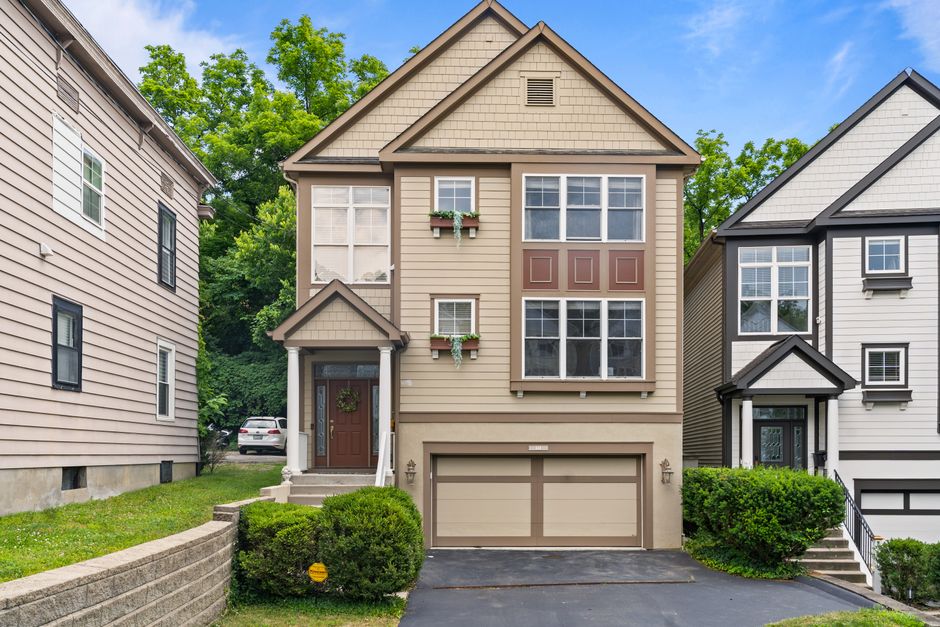
Best Mortgage Lenders in Columbus Ohio (2026): Top Picks & Reviews
Buying a home in Columbus, Ohio, in 2026 means navigating a dynamic housing market and finding the right mortgage lender to fit your financial goals. As Ohio’s capital and largest city, Columbus offers a vibrant economy, diverse neighborhoods, and a steady real estate market. However, securing the best mortgage rates and terms requires more than just searching online; it demands understanding local market nuances, available loan programs, and how different lenders cater to unique borrower needs.
At MortgageTune.com, our goal is to provide unbiased, expert-driven information to help you make informed decisions. This guide will walk you through the specifics of the Columbus mortgage market for 2026, detail key loan limits, highlight top lender types for various homebuyers, and outline crucial factors to consider when choosing your mortgage partner. We’ll also cover valuable local down payment assistance programs that could make homeownership more accessible.
Disclaimer: MortgageTune.com provides educational content and tools. We are not licensed financial advisors or mortgage brokers. The information presented here is for general guidance and is not personalized financial advice. Always consult with a qualified mortgage professional or financial advisor before making any lending decisions.
Columbus Housing Market Overview (2026)
Columbus continues its trajectory as one of the Midwest’s most attractive housing markets in 2026, balancing affordability with strong growth. The city’s economic resilience, fueled by major industries like technology, education, healthcare, and logistics, maintains steady demand for housing. While home values have seen consistent appreciation over the past few years, they generally remain more accessible than in many coastal metropolitan areas.
As of early 2026, the median home price in Columbus, Ohio, is projected to be around $335,000, representing a modest increase from previous years. This figure can vary significantly based on neighborhood, from the historic charm of German Village and the urban bustle of the Short North to the family-friendly suburbs like Dublin, Westerville, and Worthington. The market still sees competitive bidding in desirable areas, particularly for well-maintained properties, though inventory levels have seen some stabilization. Understanding these local dynamics is crucial when assessing your budget and preparing your offer. You can start by determining what you can realistically afford with our free Affordability Calculator 2026.

2026 Mortgage Loan Limits in Franklin County, Ohio
When securing a mortgage in Columbus, it’s essential to understand the loan limits set by government-sponsored enterprises (GSEs) and federal agencies. These limits dictate the maximum amount you can borrow for various loan types without entering into “jumbo loan” territory. For Franklin County, Ohio, where Columbus is located, the 2026 loan limits are as follows:
- Conventional Loan Limits: For single-unit properties, the conforming loan limit in Franklin County for 2026 is $790,000. Loans exceeding this amount are considered jumbo loans and typically have stricter underwriting requirements and may carry slightly higher interest rates or require larger down payments. These limits are set annually by the Federal Housing Finance Agency (FHFA) for loans backed by Fannie Mae and Freddie Mac.
- FHA Loan Limits: The Federal Housing Administration (FHA) sets its own limits, which are often lower than conventional limits but allow for lower credit scores and smaller down payments. In Franklin County, the 2026 FHA loan limit for a single-family home is $515,000. FHA loans are a popular option for first-time homebuyers due to their flexible qualification criteria, requiring as little as a 3.5% down payment with a credit score of 580 or higher. Explore more about these options in our [FHA Loans Guide](/who-are-the-best-fha-mortgage-lenders-for-low-down-pay/).
- VA Loan Limits: For eligible veterans and active-duty service members, VA loans offer exceptional benefits, including no down payment requirements and competitive interest rates. While the VA eliminated its county-specific loan limits for most qualified borrowers in 2020, lenders may still apply internal limits based on the borrower’s entitlement and credit profile. For 2026, VA loans typically do not have a maximum loan amount for borrowers with full entitlement, meaning you can borrow as much as you qualify for without a down payment, provided the property appraises for the loan amount. However, for those with reduced entitlement, the conventional loan limits ($790,000 in Franklin County) often serve as a benchmark for potential down payment requirements.
- USDA Loan Limits: While Columbus itself is an urban area and generally not eligible for USDA loans, some surrounding rural areas in Ohio may qualify. USDA loans offer 100% financing for low to moderate-income borrowers purchasing homes in designated rural areas. Income limits and property eligibility criteria are strict and vary by county. If you are looking just outside Columbus’s immediate urban core, it’s worth checking the USDA’s eligibility map.
Understanding these limits is your first step in determining which loan types are suitable for your home purchase in Columbus. You can use our Loan Eligibility Checker Tool 2026 to get an idea of what you might qualify for.
Top Mortgage Lenders for Different Buyer Types in Columbus, Ohio
The “best” mortgage lender in Columbus isn’t a single entity; it’s the one that best matches your unique financial profile and homebuying goals. Different lenders excel in various areas, whether it’s offering specialized loan products, providing exceptional customer service, or closing loans quickly. Below, we categorize lender types and considerations for common borrower situations in Columbus.
Best for First-Time Homebuyers in Columbus
First-time homebuyers often benefit from lenders who specialize in government-backed loans (FHA, VA, USDA) and local down payment assistance programs. These programs typically require lower down payments and offer more flexible credit requirements.
- Lender Type: Community banks, credit unions, and national lenders with strong FHA/VA departments.
- What to Look For:
- Low Down Payment Options: Look for lenders offering FHA loans (3.5% down payment with a 580 credit score) or conventional loans with as little as 3% down for first-time buyers.
- Down Payment Assistance (DPA) Expertise: Lenders familiar with Ohio Housing Finance Agency (OHFA) programs are crucial. They can guide you through eligibility and application processes for grants and second mortgages that reduce your upfront costs. We will discuss OHFA programs in more detail below.
- Educational Resources: A good lender will take the time to explain the entire mortgage process, from pre-approval to closing, making the experience less daunting for new buyers.
- Examples of Lender Focus: While specific recommendations are beyond our scope, look for national lenders like Rocket Mortgage or Chase who offer broad programs, alongside regional banks such as Huntington Bank or credit unions like Telhio Credit Union, which often have dedicated local teams.
Best for Veterans (VA Loans) in Columbus
Veterans and active-duty military personnel deserve lenders who understand the nuances of VA loans and can streamline the process. VA loans offer significant advantages, including no down payment and no private mortgage insurance (PMI).
- Lender Type: Specialized VA lenders, national banks with large VA divisions, and credit unions.
- What to Look For:
- VA Loan Expertise: Lenders with dedicated VA loan specialists understand VA entitlement, funding fees, and specific appraisal requirements. They can often close VA loans faster.
- Competitive VA Rates: While VA rates are generally lower than conventional loans, comparison shopping is still vital. Use our rate comparison tool to check various VA lenders.
- Fast Closings: Some lenders are known for their efficiency in closing VA loans, which can be important in a competitive market.
- Examples of Lender Focus: Military-specific lenders like USAA or Veterans United, or major national banks with robust VA departments.
Best for Low Down Payment Options
Beyond first-time buyer programs, many borrowers seek ways to minimize their initial cash outlay.
- Lender Type: FHA-approved lenders, conventional lenders offering 3% down programs, and those connected to DPA initiatives.
- What to Look For:
- FHA Loans: Requires just 3.5% down payment with a minimum credit score of 580.
- Conventional 97: A conventional loan program requiring only 3% down, often for first-time buyers or those who haven’t owned a home in the last three years. This option avoids the upfront Mortgage Insurance Premium (MIP) of an FHA loan, though Private Mortgage Insurance (PMI) is still required.
- Specific DPA Program Access: Lenders who actively participate in and promote local and state DPA programs.
- Examples of Lender Focus: Most major banks and credit unions will offer FHA and conventional 97 loans. Regional lenders with strong local connections might be more proactive with DPA programs.
Best for Jumbo Loans in Columbus
For properties exceeding the conventional loan limit of $790,000 in Franklin County, jumbo loans are necessary. These typically require higher credit scores and more substantial reserves.
- Lender Type: Large national banks and some private mortgage lenders.
- What to Look For:
- Competitive Jumbo Rates: Rates on jumbo loans can vary significantly.
- Flexible Underwriting: While generally stricter, some lenders offer more tailored solutions for high-net-worth individuals, which might include interest-only options or specific asset-based qualifications.
- Experienced Loan Officers: Jumbo loans are more complex; an experienced loan officer can make a significant difference.
- Examples of Lender Focus: Large national banks such as JP Morgan Chase, Wells Fargo, or Bank of America are common for jumbo loans due to their larger asset bases and appetite for higher-risk loans. Best for Quick Closings
In a competitive market, a lender’s ability to close quickly can strengthen your offer to a seller.
- Lender Type: Online lenders, mortgage brokers (who can shop multiple lenders for speed), and some regional banks with efficient in-house processes.
- What to Look For:
- Streamlined Technology: Online portals, digital document uploads, and electronic signatures can accelerate the process.
- In-House Underwriting: Lenders who handle underwriting, processing, and funding internally often have faster turnaround times.
- Clear Communication: A lender that communicates effectively and sets clear expectations throughout the process.
- Examples of Lender Focus: Online-focused lenders like Rocket Mortgage or Better Mortgage often prioritize speed. Some local mortgage brokers in Columbus can also be highly efficient by matching you with the fastest available options among their network.
Best for Refinancing in Columbus
When you’re looking to reduce your interest rate, shorten your loan term, or tap into your home equity, a refinance lender needs to offer competitive rates and a smooth process.
- Lender Type: Mortgage brokers, national lenders, and banks with strong refinance departments.
- What to Look For:
- Variety of Refinance Products: Cash-out, rate-and-term, FHA streamline, VA IRRRL (Interest Rate Reduction Refinance Loan).
- Low Closing Costs: While some fees are unavoidable, look for lenders with competitive closing costs or no-closing-cost refinance options (where the costs are rolled into the loan or taken as a slightly higher interest rate).
- Rate Locks: The ability to lock in a favorable interest rate while your refinance processes.
- Examples of Lender Focus: Most lenders offer refinancing. It is particularly important to use our Refinance Calculator 2026 and compare rates from at least three to five lenders, as offers can differ significantly.

Local Down Payment Assistance (DPA) Programs in Columbus and Ohio
Ohio offers robust down payment assistance programs, primarily administered through the Ohio Housing Finance Agency (OHFA). These programs can significantly reduce the upfront costs of buying a home in Columbus, making homeownership attainable for many residents. For 2026, OHFA continues to offer a variety of programs:
1. OHFA Your Choice! Down Payment Assistance
- What it is: This program provides 2.5% or 5% of the home’s purchase price for down payment and/or closing cost assistance, offered as a non-repayable grant. The grant amount is tied to the first mortgage loan amount.
- Eligibility:
- Credit Score: Generally, a minimum credit score of 640 for conventional, FHA, and USDA loans, or 660 for VA loans.
- Income Limits: Borrowers must meet specific income limits, which vary by county and household size. For Franklin County in 2026, typical income limits might be around $115,000 for a 1-2 person household and $135,000 for a 3+ person household, but these figures are updated annually by OHFA.
- Purchase Price Limits: The home must fall within OHFA’s maximum purchase price limits, which are usually aligned with FHA limits, roughly $515,000 for Franklin County in 2026.
- Homebuyer Education: Completion of a free homebuyer education course is typically required.
- Loan Type: Must be combined with an OHFA FHA, VA, USDA, or Conventional HFA Advantage first mortgage loan.
2. OHFA Grants for Grads
- What it is: Specifically designed for recent college graduates, this program offers 2.5% or 5% of the purchase price as a grant for down payment or closing costs. An added benefit is a slightly lower interest rate on the first mortgage if the borrower resides in Ohio for at least five years after closing.
- Eligibility:
- Graduation Requirement: Must have graduated from an accredited college or university with an associate’s, bachelor’s, master’s, or doctorate degree within the last 48 months.
- Credit Score & Income Limits: Similar credit score and income limits as the “Your Choice!” program.
- Purchase Price Limits: Aligned with other OHFA programs.
3. OHFA Ohio Heroes
- What it is: This program honors public service professionals by offering a discounted interest rate on the first mortgage and 2.5% or 5% down payment assistance as a grant. Eligible “heroes” include active-duty military, veterans, reservists, national guard members, police officers, firefighters, EMTs, paramedics, teachers, and healthcare professionals.
- Eligibility:
- Occupation: Must be employed in one of the eligible “hero” professions.
- Credit Score & Income Limits: Similar credit score and income limits as other OHFA programs.
- Purchase Price Limits: Aligned with other OHFA programs.
How to Access OHFA Programs:
These programs are not offered directly by OHFA but are facilitated through a network of participating lenders across Ohio. When you’re speaking with a potential mortgage lender in Columbus, always ask if they are an OHFA-approved lender and which specific OHFA programs they offer. It’s crucial to confirm your eligibility with an OHFA-approved lender, as requirements can be quite detailed.
Key Factors When Choosing a Columbus Mortgage Lender
Choosing a mortgage lender is one of the most significant financial decisions you’ll make. Don’t rush the process. Here are the critical factors to evaluate:
1. Interest Rates & Fees: This is often the first thing people look at, and for good reason. A lower interest rate can save you tens of thousands of dollars over the life of a loan. However, don’t just focus on the rate. Compare the Annual Percentage Rate (APR), which includes certain fees in addition to the interest rate, for a more accurate cost comparison. Also, scrutinize lender fees (origination fees, underwriting fees, processing fees) and third-party fees (appraisal, title, escrow). Use our Mortgage Calculator 2026 to see how different rates impact your monthly payment.
2. Loan Products Offered: Does the lender offer the specific type of loan that suits your needs (FHA, VA, Conventional, USDA, Jumbo)? Some lenders specialize, while others have a wider array of products. If you have unique circumstances, like being self-employed or having a lower credit score, confirm they have programs tailored to your situation.
3. Customer Service & Communication: A smooth mortgage process relies heavily on clear, consistent communication. Look for lenders who are responsive, explain complex terms in an understandable way, and provide regular updates. Read online reviews for insights into their communication style and responsiveness.
4. Reputation & Reviews: Check online reviews on platforms like Google, Zillow, Yelp, and the Better Business Bureau. While individual experiences vary, a pattern of complaints or praise can be very telling. Local lenders in Columbus might have more localized reviews that can provide valuable insights.
5. Closing Speed: In a competitive market, a lender’s ability to close a loan quickly can be an advantage. Ask lenders about their average closing times and whether they offer any guarantees. Some online lenders pride themselves on speed, while local banks might offer a more personalized, though sometimes slower, approach.
6. Technology & Convenience: Does the lender offer an intuitive online application portal, digital document uploads, and electronic signatures? For some, this convenience is a major factor in speeding up the process and reducing paperwork.
Always obtain official Loan Estimates (LEs) from at least three to five different lenders and compare them side-by-side. This ensures you’re getting a true apples-to-apples comparison of rates, fees, and terms.
Common Mortgage Mistakes Columbus Homebuyers Should Avoid
The Columbus housing market is competitive, and mistakes can be costly. Avoiding these common pitfalls can save you time, money, and stress:
- Not Comparing Lender Offers: This is perhaps the biggest mistake. Accepting the first offer without shopping around could mean missing out on a significantly better interest rate or lower fees. Even a quarter-point difference in interest can add up to thousands over the loan term. Ignoring Your Debt-to-Income (DTI) Ratio: Your DTI ratio is a crucial factor lenders assess, representing the percentage of your gross monthly income that goes towards debt payments. A high DTI (typically above 43% for conventional loans, though FHA can go higher to 50% in some cases) can make it difficult to qualify for a mortgage or secure the best rates. Understand your DTI using our free DTI Calculator 2026 and work to reduce unnecessary debt before applying.
- Failing to Get Pre-Approved: A pre-qualification is just an estimate. A pre-approval, based on a review of your financial documents and a hard credit pull, shows sellers you are a serious and qualified buyer. In a competitive Columbus market, a pre-approval letter is often essential when submitting an offer.
- Making Large Purchases or Opening New Credit Accounts: Any significant financial change between pre-approval and closing can jeopardize your loan. This includes buying a new car, opening new credit cards, or quitting your job. Lenders often perform a final credit check just before closing, and new debt or inquiries can change your qualification status.
- Not Factoring in All Homeownership Costs: Beyond the principal and interest, remember to budget for property taxes, homeowner’s insurance, potential HOA fees, and ongoing maintenance. These additional costs, often bundled into your monthly mortgage payment (known as PITI – Principal, Interest, Taxes, Insurance), can significantly impact your actual monthly expenses. Our Mortgage Calculator 2026 can help estimate your total monthly payment.
- Misunderstanding Credit Score Requirements: While a 580 credit score might qualify you for an FHA loan, a higher score (e.g., 740+) will unlock the lowest interest rates and best terms for most loan types. Work to improve your credit score well in advance of applying for a mortgage.
Who Should NOT Pursue a Mortgage in Columbus Right Now?
While homeownership is a great goal, it’s not the right time for everyone. Consider delaying your home purchase in Columbus if any of these situations apply to you:
- Unstable Employment or Income: Lenders look for consistent income. If you’ve recently started a new job, are in a probationary period, or have an unpredictable income stream, it’s wise to wait until your employment history demonstrates stability (typically 2 years in the same line of work).
- Very Low Credit Scores Without a Plan: While some loans allow lower scores (FHA at 580), consistently low scores (below 580) across the board will severely limit your options or result in very high interest rates. Focus on improving your credit by paying bills on time, reducing debt, and correcting any errors on your credit report before applying.
- High Debt-to-Income (DTI) Ratio: If your monthly debt payments consume a significant portion of your income, it might be difficult to afford a mortgage payment alongside your existing obligations. Prioritize paying down credit card debt, car loans, and student loans to improve your DTI.
- Insufficient Emergency Savings: Beyond the down payment and closing costs, you need a financial cushion for unforeseen expenses that come with homeownership (repairs, maintenance, job loss). Most financial experts recommend at least three to six months of living expenses in savings.
- Short-Term Plans for Columbus: If you anticipate moving out of Columbus within the next two to three years, the transaction costs of buying and selling a home might outweigh the benefits of homeownership. Renting might be a more financially sensible option in the short term.
Taking the time to address these financial areas before applying for a mortgage will put you in a much stronger position to qualify for favorable terms and enjoy a more secure homeownership experience.
How to Get Started with Your Columbus Mortgage
Ready to find your perfect home in Columbus? Here’s a practical roadmap to help you secure your mortgage:
1. Check Your Eligibility: Understand what loan types you might qualify for based on your credit, income, and debt. Our Loan Eligibility Checker Tool 2026 can give you a preliminary assessment.
2. Gather Your Documents: Start compiling necessary financial paperwork: pay stubs (last 30-60 days), W-2s (last two years), tax returns (last two years), bank statements (last 60 days), and statements for any investment or retirement accounts. Self-employed borrowers will need more extensive documentation.
3. Get Pre-Approved: Contact several lenders in Columbus and go through the pre-approval process. This involves a hard credit pull and a review of your financial documents, resulting in a conditional commitment for a specific loan amount. This step is critical before you start seriously looking at homes.
4. Compare Loan Offers: Once you have a pre-approval (or even just initial quotes), use our mortgage rate comparison tool 2026 to evaluate different lenders. Look closely at the interest rate, APR, closing costs, and customer service. Don’t be afraid to ask questions and negotiate.
5. Educate Yourself Continuously: The more you understand about the mortgage process, the more confident you’ll be. Explore our Blogs for additional articles and guides on various mortgage topics.
Securing the best mortgage for your home in Columbus requires diligent research and a clear understanding of your financial situation. By following these steps and leveraging the tools and information available, you can confidently navigate the mortgage landscape and achieve your homeownership dreams in Ohio’s capital city. Visit our Mortgage Tools page for more helpful resources.
This article is for informational purposes only and does not constitute financial or legal advice. Mortgage rates, loan limits, and program requirements change frequently. Always consult a licensed mortgage professional and verify current rates directly with lenders before making any financial decisions.