Is it Possible to Buy a House Making $20 an Hour?
# Is it Possible to Buy a House Making $20 an Hour?
Yes, it is absolutely possible to buy a house making $20 an hour. This translates to an annual income of approximately $41,600 before taxes, requiring strategic planning and leveraging specific mortgage programs to make homeownership a reality.
Understanding Your Home Buying Power
At $20 an hour, or $41,600 annually, your buying power hinges on two critical factors: your debt-to-income (DTI) ratio and local housing costs. Lenders typically prefer a DTI ratio where your total monthly housing costs (Principal, Interest, Taxes, Insurance – PITI) do not exceed 31-36% of your gross monthly income, and your total monthly debt payments (including PITI) stay below 43-50%.
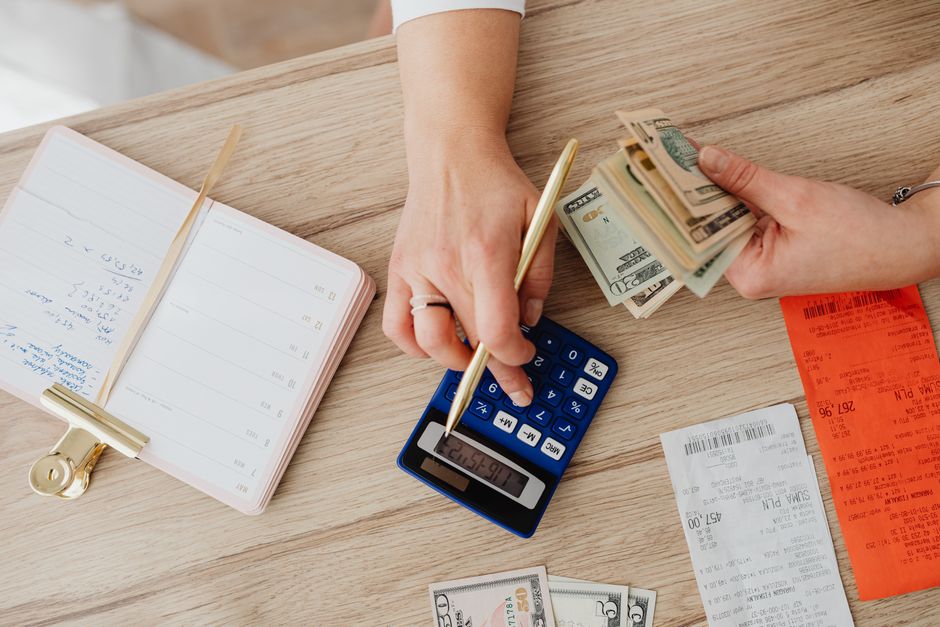
For an income of $41,600 ($3,467 monthly gross), a 36% housing DTI would allow for approximately $1,248 in monthly PITI. This monthly budget translates to a home in the range of $100,000 to $160,000, depending heavily on current interest rates, property taxes, and homeowner’s insurance premiums in your desired area. Identifying affordable markets and potentially smaller starter homes is key.
Leveraging Low Down Payment & Assistance Programs
The primary hurdle for many first-time homebuyers isn’t the monthly payment, but the upfront costs. Fortunately, several programs significantly reduce down payment requirements:
- FHA Loans: Ideal for those with limited savings or lower credit scores. Requires only a 3.5% down payment and generally accepts credit scores as low as 580.
- USDA Rural Development Loans: Offers 0% down payment for homes in eligible rural and suburban areas. Income limits apply, making it suitable for a $20/hour salary.
- VA Loans: Provides 0% down payment for eligible service members, veterans, and surviving spouses.
- Conventional 97 / HomeReady / HomePossible Loans: Offered by Fannie Mae and Freddie Mac, these programs require as little as 3% down, often with more flexible underwriting for lower-income borrowers (HomeReady/HomePossible).
- Down Payment Assistance (DPA) Programs: Many states, counties, and cities offer grants or second mortgages to help cover down payments and closing costs. These can be crucial for making homeownership accessible.
Boosting Your Mortgage Eligibility
To maximize your chances of approval and secure the best terms:
- Improve Your Credit Score: Aim for a score of 620 or higher to unlock better interest rates and more loan options. Pay bills on time, reduce credit card balances, and avoid new debt.
- Reduce Debt-to-Income (DTI) Ratio: Prioritize paying down high-interest debts like credit cards or car loans. A lower DTI indicates less financial risk to lenders.
- Build Savings: Beyond the down payment, you’ll need funds for closing costs (typically 2-5% of the loan amount) and a cash reserve for emergencies.
- Consider a Co-Borrower: If eligible, adding a spouse, partner, or family member with a stable income and good credit can significantly increase your buying power and approval odds.
- Explore First-Time Homebuyer Education: Many programs, especially DPA initiatives, require completion of a homebuyer education course, which provides valuable financial literacy and unlocks access to benefits.