
Can I Get a $400k Home Loan with a $15k Down Payment?
Yes, securing a $400,000 home loan with only a $15,000 down payment is absolutely achievable for many American homebuyers, though it requires specific financial planning and navigating appropriate loan programs. This equates to a 3.75% down payment, placing you firmly within the low down payment loan category.
Understanding Your $15,000 Down Payment on a $400,000 Home
A $15,000 down payment on a $400,000 home represents 3.75% of the purchase price. This figure is crucial because it immediately signals that traditional conventional loans requiring a 20% down payment (which would be $80,000 for a $400,000 home) are not your primary path. Instead, you’ll be looking at specialized loan programs designed to assist buyers with lower upfront capital.
While a larger down payment generally translates to lower monthly payments, less interest over the loan’s life, and potentially avoiding Private Mortgage Insurance (PMI) on conventional loans, a 3.75% down payment is far from prohibitive. Many government-backed and conventional loan options specifically cater to this scenario, recognizing that accumulating a large down payment can be a significant barrier to homeownership. Your focus will shift to other critical qualifying factors, such as your credit score, debt-to-income ratio, and income stability, which often carry greater weight for these types of mortgages. Understanding this percentage is your first step in identifying the right mortgage product for your situation.

Loan Programs That Allow Low Down Payments
Several robust mortgage programs are structured to help borrowers like you secure a home with a minimal down payment. Each has distinct requirements, benefits, and potential drawbacks.
FHA Loans (Federal Housing Administration)
FHA loans are a cornerstone for low down payment buyers, backed by the U.S. government. They are particularly flexible regarding credit scores and are a common choice for those with less than perfect credit or limited savings.
- Minimum Down Payment: FHA loans generally require a minimum down payment of 3.5%. Your $15,000 on a $400,000 home (3.75%) comfortably exceeds this minimum. This means you would be financing approximately $385,000 plus closing costs.
- Credit Score Requirements:
- To qualify for the 3.5% down payment, a minimum FICO credit score of 580 is typically required.
- Borrowers with FICO scores between 500 and 579 may still be eligible, but they would typically need to make a larger down payment (e.g., 10%). Since your down payment is above 3.5%, even a score slightly above 580 would be favorable.
- Mortgage Insurance Premiums (MIP): This is a mandatory component of FHA loans.
- Upfront Mortgage Insurance Premium (UFMIP): A one-time charge equal to 1.75% of the base loan amount. This can be financed into your mortgage, adding to your loan balance. For a $385,000 loan, this would be $6,737.50.
- Annual Mortgage Insurance Premium (Annual MIP): Charged monthly, typically ranging from 0.45% to 1.05% of the outstanding loan balance, depending on the loan term and original loan-to-value (LTV). For most 30-year loans with 3.5% down, it’s around 0.55% annually as of recent guidelines. Unlike conventional PMI, FHA’s annual MIP is generally paid for the life of the loan unless you put down 10% or more (then it falls off after 11 years) or refinance into a conventional loan.
- Debt-to-Income (DTI) Ratio: FHA guidelines are relatively lenient, allowing DTI ratios typically up to 43-50% in some cases, especially with strong compensating factors (e.g., significant reserves, higher credit score). The generally accepted ratio is 31% for housing debt and 43% for total debt, but exceptions are common.
- Loan Limits: FHA loans have specific maximum loan amounts that vary by county and are updated annually. For 2024, the “floor” for most of the country is $498,257, meaning a $400,000 loan would fall well within limits in most areas. For 2026, borrowers must check the official FHA loan limits for their specific county of interest as these figures are adjusted yearly based on median home prices.
- Property Requirements: The home must meet FHA’s minimum property standards, often requiring an FHA-approved appraisal.
VA Loans (Department of Veterans Affairs)
VA loans are an unparalleled benefit for eligible U.S. veterans, service members, and surviving spouses.
- Minimum Down Payment: 0% down payment is required for eligible borrowers. This means your $15,000 down payment would simply reduce your loan amount or could be saved for closing costs or reserves.
- Credit Score Requirements: While the VA itself doesn’t set a minimum, most lenders require a FICO score of at least 620, though some may go lower for strong applications.
- Mortgage Insurance: No monthly mortgage insurance (PMI or MIP) is required, which is a significant cost saving.
- VA Funding Fee: Most VA borrowers pay a one-time VA Funding Fee, which ranges from 1.4% to 3.6% of the loan amount, depending on service type, down payment amount, and prior use of VA benefits. This fee can often be financed into the loan. Certain disabled veterans or surviving spouses are exempt from this fee.
- Debt-to-Income (DTI) Ratio: VA guidelines are typically generous, allowing DTI ratios often up to 41% or higher with strong residual income, which is the amount of discretionary income left over after major obligations.
- Loan Limits: For eligible veterans, there are generally no loan limits, meaning you can borrow as much as a lender is willing to approve, provided you have your full VA entitlement.
- Certificate of Eligibility (COE): Borrowers need a COE to prove their eligibility.
USDA Loans (U.S. Department of Agriculture)
USDA loans are designed to promote homeownership in eligible rural and suburban areas.
- Minimum Down Payment: 0% down payment is required.
- Credit Score Requirements: Lenders typically look for a minimum FICO score of 640, although some may accept lower scores with compensating factors.
- Mortgage Insurance (Guarantee Fee): USDA loans have both an upfront guarantee fee (typically 1.00% of the loan amount, can be financed) and an annual guarantee fee (typically 0.35% of the outstanding principal balance, paid monthly).
- Income Limits: Eligibility is tied to household income, which cannot exceed certain limits based on the area and household size. These limits are updated annually.
- Property Location Restrictions: The home must be located in an eligible rural area as defined by the USDA. Many areas outside major metropolitan centers qualify, including some suburban locales.
- Debt-to-Income (DTI) Ratio: Standard DTI ratios are 29% for housing and 41% for total debt, but exceptions can be made.
Conventional Loans (Fannie Mae & Freddie Mac)
While many associate conventional loans with a 20% down payment, several programs allow for as little as 3% down. These are not government-insured but follow guidelines set by Fannie Mae and Freddie Mac.
- Minimum Down Payment: Programs like Fannie Mae’s HomeReady® and Freddie Mac’s Home Possible® allow for as little as 3% down payment. Your 3.75% down payment would be well within these limits.
- Credit Score Requirements: Generally require higher credit scores than FHA loans, typically a minimum FICO score of 620 for most programs, with better rates for scores above 700.
- Private Mortgage Insurance (PMI): Required for down payments less than 20%. PMI premiums vary based on your credit score, DTI, and loan-to-value (LTV). A key advantage of conventional PMI is that it can eventually be canceled once you reach 20% equity in your home (either through payments or home appreciation), unlike FHA MIP which often lasts for the life of the loan.
- Debt-to-Income (DTI) Ratio: Typically, conventional lenders prefer DTI ratios under 43%, though some programs may allow up to 50% with strong compensating factors.
- Loan Limits: Conventional loans have annual conforming loan limits. For 2024, the baseline limit for most of the U.S. is $766,550. For 2026, these limits will be updated, but a $400,000 loan will almost certainly fall within conforming limits across the vast majority of the country.
- Income & Asset Requirements: Lenders typically require stable income and may ask for reserves (funds left in your account after closing) depending on your DTI and credit profile.
Key Factors Determining Your Loan Approval Beyond Down Payment
While your $15,000 down payment opens doors to low-down-payment programs, your approval for a $400,000 loan hinges on a comprehensive evaluation of your financial health.
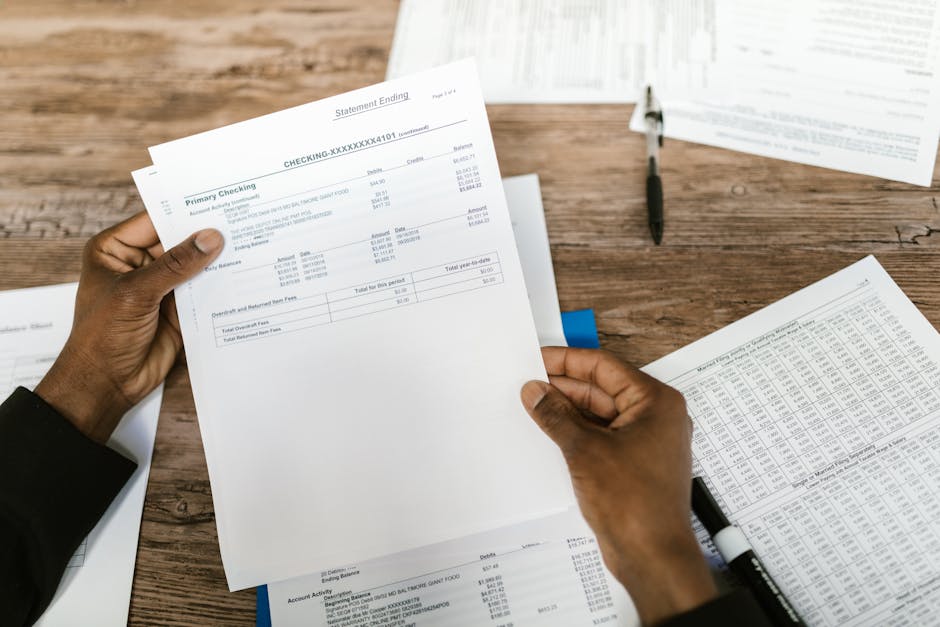
Credit Score
Your credit score is a numerical representation of your creditworthiness and a critical indicator for lenders.
- Impact: A higher credit score signals lower risk to lenders, leading to better interest rates and more favorable loan terms. A lower score can still qualify you, but often with higher interest rates or stricter requirements.
- Minimums:
- FHA: Generally 580 for 3.5% down, 500-579 for 10% down.
- VA/USDA/Conventional 3% Down: Typically 620-640+.
- Tips for Improvement:
- Pay bills on time, every time.
- Reduce outstanding debt, especially on credit cards, to lower your credit utilization.
- Avoid opening new credit accounts or making large purchases before and during the loan application process.
- Dispute any errors on your credit report.
Debt-to-Income (DTI) Ratio
Your DTI ratio compares your total monthly debt payments to your gross monthly income, indicating your capacity to manage additional debt.
- Calculation:
- Front-end DTI: (Proposed monthly housing payment including principal, interest, taxes, insurance, and HOA fees) / Gross monthly income.
- Back-end DTI (Total DTI): (All monthly debt payments, including proposed housing payment, car loans, student loans, credit cards, etc.) / Gross monthly income.
- Typical Limits: Most lenders prefer a total DTI ratio of 43% or lower, though some programs (like FHA and VA) may allow up to 50% or even higher with strong compensating factors.
- Strategies to Lower DTI:
- Pay down existing debts (credit cards, personal loans).
- Avoid taking on new debt.
- Increase your income (if possible and sustainable).
Income Stability and Employment History
Lenders need assurance that you have a consistent and reliable income source to make your mortgage payments.
- Requirement: Most lenders prefer at least two years of stable employment history in the same line of work or industry.
- Verifiable Income: This includes salary, hourly wages, bonuses, commissions, and self-employment income (typically requiring two years of tax returns). Social Security, disability, and retirement income are also generally acceptable.
- Self-Employment: If self-employed, expect a more rigorous review of your business financials and tax returns for the past two years. Consistency and profitability are key.
Assets and Reserves
Beyond your down payment, lenders want to see that you have sufficient funds for closing costs and a cushion for emergencies.
- Closing Costs: These are fees associated with the loan transaction and can range from 2% to 5% of the loan amount. For a $400,000 loan, this could be $8,000 to $20,000. These are separate from your down payment and must be accounted for.
- Reserves: Lenders may require you to have a certain number of months’ worth of mortgage payments in reserve (e.g., 2-6 months) after closing, particularly for higher-risk loans or if your DTI is at the higher end.
- Gift Funds: Down payment or closing cost funds can often be gifted from family members, but strict documentation is required (e.g., gift letter, proof of donor’s funds).
Property Type and Condition
The home itself plays a role, especially for government-backed loans.
- Appraisal: An independent appraisal is mandatory to ensure the property’s value supports the loan amount.
- FHA/VA Specifics: FHA and VA loans have minimum property standards focused on safety, soundness, and security. Homes needing significant repairs may not qualify unless repairs are made before closing.
Calculating Your Potential Monthly Payment
Understanding your potential monthly payment is crucial for budgeting and determining affordability. For a $400,000 home with a $15,000 down payment, your principal loan amount would be $385,000. Here’s a breakdown of the components:
- Principal & Interest (P&I): This is the core repayment of the loan balance plus the interest charged.
- Using a 30-year fixed-rate mortgage on $385,000:
- At a hypothetical 6.5% interest rate, P&I would be approximately $2,434 per month.
- At a hypothetical 7.0% interest rate, P&I would be approximately $2,561 per month.
Note: Interest rates are dynamic and will be determined at the time of your loan application.*
- Property Taxes: These vary significantly by location (county, city, school district). You’ll pay an estimated annual property tax amount, divided by 12, into an escrow account monthly.
- Example: If annual property taxes are 1.2% of the home’s value ($4,800/year for a $400k home), that’s $400 per month. Some areas can be much higher (e.g., 3-4%) or lower (e.g., 0.5%).
- Homeowners Insurance: Required by lenders, this protects your home against hazards.
- Example: Annual premiums can range from $1,000 to $3,000+, depending on location, home value, and coverage. This could add $83 to $250 per month.
- Mortgage Insurance (PMI/MIP): As discussed, this is mandatory for low down payment loans.
FHA (MIP): For a $385,000 loan, UFMIP of $6,737.50 is usually financed. Annual MIP at 0.55% would be about $176 per month ($385,000 0.0055 / 12).
- Conventional (PMI): For a 3.75% down conventional loan ($385,000), PMI could range from $100 to $250+ per month, depending on your credit score and other factors.
- Homeowners Association (HOA) Fees: If the property is part of an HOA (condo, townhouse, or some single-family homes), these monthly fees cover shared amenities and maintenance.
- Example: HOAs can range from $50 to $500+ per month.
Estimated Monthly Payment Example (FHA with 7.0% Interest):
| Component | Estimated Monthly Cost |
| :——————- | :——————— |
| Principal & Interest | $2,561 |
| Property Taxes | $400 |
| Homeowners Insurance | $150 |
| FHA Annual MIP | $176 |
| Total Estimated PITI | $3,287 |
| (Plus any HOA fees) | |
This calculation illustrates that your total housing cost can significantly exceed just the principal and interest, reinforcing the need for thorough budgeting.
The Lender’s Perspective: What They Look For
Lenders are primarily in the business of assessing and managing risk. When you apply for a loan with a low down payment, they scrutinize your financial profile even more closely.
- Risk Assessment: A smaller down payment means a higher loan-to-value (LTV) ratio, which historically correlates with a higher risk of default. This is why mortgage insurance is mandatory for low down payment loans – it protects the lender if you default.
- “Compensating Factors”: To offset the higher LTV, lenders look for “compensating factors” that reduce overall risk. These might include:
- Excellent Credit Score: A FICO score significantly above the minimum threshold.
- Stable Employment: Long tenure with the same employer or within the same industry.
- Significant Cash Reserves: Funds available after closing for emergencies, demonstrating financial resilience.
- Low Debt-to-Income Ratio: A DTI well below the maximum allowable limits.
- Low Payment Shock: If your current rent payment is similar to or higher than your proposed mortgage payment.
- Importance of Pre-Approval: Getting pre-approved before you start seriously looking at homes is vital. A pre-approval means a lender has reviewed your financial documents, credit history, and DTI, and provisionally committed to lending you a specific amount. This not only confirms your eligibility but also gives you a realistic budget and makes you a more competitive buyer.
Actionable Steps to Secure Your Loan
Taking proactive steps will significantly improve your chances of securing a $400,000 loan with a $15,000 down payment.
1. Check Your Credit Report and Score: Obtain your free credit reports from AnnualCreditReport.com. Review them thoroughly for errors and identify areas for improvement. Understand your FICO score.
2. Calculate Your Debt-to-Income (DTI) Ratio: Sum up all your monthly debt payments (car, student, credit cards, etc.) and your proposed new housing payment. Divide this by your gross monthly income. Be realistic about your current and potential future DTI.
3. Gather Financial Documents: Start compiling necessary paperwork:
- Pay stubs (last 30 days)
- W-2s (last two years)
- Tax returns (last two years, especially if self-employed or commissioned)
- Bank statements (last two months, for checking and savings)
- Investment account statements
- Documentation for any other income sources (e.g., Social Security, pension)
- IDs (Driver’s License, Social Security card)
4. Research Loan Programs: Based on your credit score, income, and any military service, determine which loan programs (FHA, VA, USDA, Conventional 3% down) you are most likely to qualify for. Understand their specific requirements and benefits.
5. Shop for Lenders: Don’t settle for the first lender you find. Contact multiple mortgage brokers and direct lenders. compare interest rates, origination fees, closing costs, and customer service. You can apply with several within a 14-45 day window without significantly impacting your credit score.
6. Get Pre-Approved: This is a crucial step. A pre-approval letter from a reputable lender shows sellers you are a serious and qualified buyer, giving you a competitive edge in today’s housing market.
7. Explore Down Payment Assistance (DPA) Programs: Many states, counties, and cities offer down payment assistance or closing cost assistance programs. These can come in the form of grants, deferred loans, or low-interest second mortgages. Research programs available in the area where you plan to buy. Often, these programs combine with FHA, VA, or conventional low-down-payment loans.

Addressing Common Concerns and Misconceptions
When navigating low down payment loans, several questions and misconceptions frequently arise.
- “Hidden Costs” of Homeownership: While your down payment is a major upfront cost, remember that closing costs are separate. These include lender fees, title insurance, appraisal fees, credit report fees, attorney fees, and prepaid expenses (property taxes and insurance held in escrow). These can add another 2-5% of the loan amount, so for a $400,000 home, expect an additional $8,000 to $20,000. Budget for these.
- The Myth of Needing 20% Down: While a 20% down payment is ideal for avoiding PMI on conventional loans and demonstrating strong financial standing, it is by no means a universal requirement. Most first-time homebuyers utilize low down payment options. Waiting to save 20% can mean missing out on market appreciation or having to pay higher prices later.
Interest Rates for Low Down Payment Loans: Generally, loans with lower down payments are perceived as higher risk by lenders. This can* translate to slightly higher interest rates compared to loans with 20% or more down, especially for conventional loans. However, the difference might be marginal depending on your credit score and market conditions. FHA, VA, and USDA rates are often competitive.
- Appraisal Gaps: In a competitive market, a home might appraise for less than the agreed-upon purchase price. If this happens, your lender will only finance up to the appraised value. With a low down payment, you might need to cover the “appraisal gap” in cash, renegotiate with the seller, or walk away from the deal. It’s crucial to understand this risk.
Securing a $400,000 home loan with a $15,000 down payment is a realistic goal for many aspiring homeowners. Success hinges on a clear understanding of available loan programs, a meticulous review of your financial profile, and proactive engagement with the mortgage process. By focusing on your credit score, DTI, income stability, and diligently comparing lenders, you can strategically position yourself to achieve your homeownership dream. Don’t let the perception of needing a large down payment deter you; many pathways exist to make homeownership accessible.