Is a $60,000 Salary Enough for a $300k Mortgage?
While highly challenging and often not feasible under typical circumstances, securing a $300,000 mortgage on a $60,000 salary can be possible with specific financial strengths and strategic planning. Your income alone suggests a tight financial fit, making other factors critically important for lender approval.
Understanding Your Debt-to-Income (DTI) Ratio
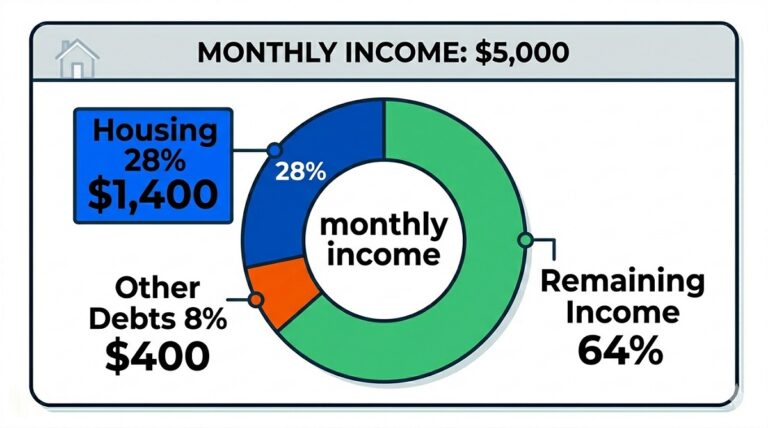
Lenders primarily evaluate your ability to repay a mortgage through your Debt-to-Income (DTI) ratio, which compares your total monthly debt payments to your gross monthly income. With a $60,000 annual salary, your gross monthly income is $5,000. Most lenders prefer a total DTI below 43%, though some programs, like FHA, may extend to 50% under specific conditions.

Consider the estimated monthly payment for a $300,000 mortgage. Even with a good interest rate (e.g., 6.5% over 30 years), the principal and interest alone would be approximately $1,896. Add property taxes (e.g., 1.5% annually = $375/month for a $300k home), homeowners insurance ($100/month), and potential private mortgage insurance (PMI) or FHA Mortgage Insurance Premium (MIP) ($150/month), and your total monthly housing payment (PITI + PMI/MIP) could easily exceed $2,500. This single payment would constitute 50% ($2,500 / $5,000) of your gross income, leaving little room for other debts like student loans, car payments, or credit cards within the typical DTI limits.
Key Factors Beyond Salary
Your salary is just one piece of the puzzle. Several other crucial elements will determine your eligibility:
- Credit Score: A strong credit score (generally 620+ for Conventional, 580+ for FHA) is paramount for favorable interest rates and lender confidence. A lower score translates to higher risk and potentially higher costs or denial.
- Down Payment: A substantial down payment directly reduces your loan amount and thus your monthly payment, improving your DTI. FHA loans require a minimum of 3.5% down ($10,500 on a $300,000 home), while Conventional loans can start at 3% or 5%. A 20% down payment ($60,000) would allow you to avoid PMI on a Conventional loan, significantly lowering your monthly outlay.
- Existing Debt: Minimal or no existing debt (car loans, student loans, credit card balances) is critical. Every dollar of monthly debt reduces your borrowing capacity by impacting your DTI ratio.
- Cash Reserves: Lenders often like to see several months of mortgage payments held in reserve post-closing, demonstrating financial stability.
- Closing Costs: Factor in 2-5% of the loan amount for closing costs ($6,000-$15,000 on a $300,000 mortgage) which must be paid upfront.
Actionable Steps for Aspiring Homeowners
To improve your chances of securing a $300,000 mortgage on a $60,000 salary, consider these proactive steps:
- Aggressively Save for a Larger Down Payment: Every dollar put down lowers your loan amount and subsequent monthly payments, making the mortgage more affordable relative to your income.
- Pay Down Existing Debts: Reduce or eliminate credit card balances, personal loans, or car payments to free up income and lower your DTI.
- Boost Your Credit Score: Pay bills on time, keep credit utilization low, and avoid opening new credit lines.
- Explore Loan Programs: Investigate options like FHA loans, which have more flexible DTI requirements, or local first-time homebuyer programs that might offer down payment assistance or favorable terms.
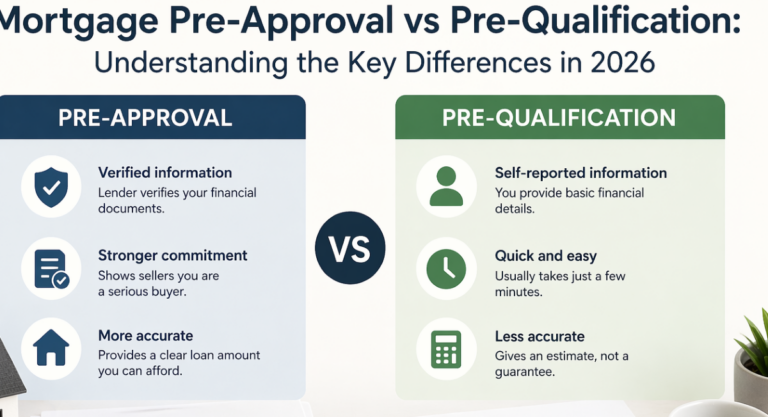
- Get Pre-Approved: A pre-approval from a reputable lender will give you a realistic assessment of what you can afford, based on your complete financial profile.

Securing a $300,000 mortgage on a $60,000 salary is an ambitious goal that demands meticulous financial planning and a strong overall financial standing beyond just your income.